Hands That Built America
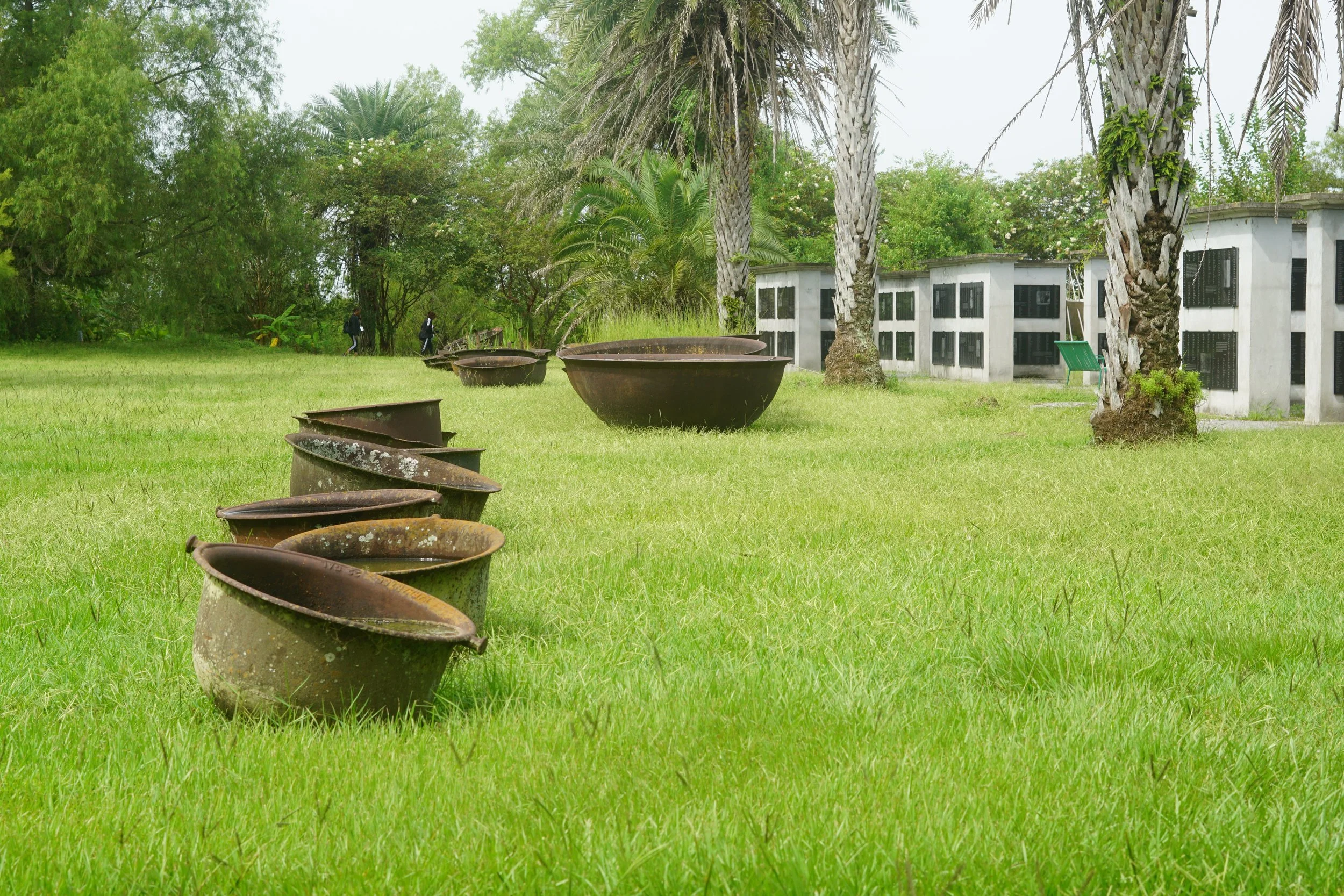
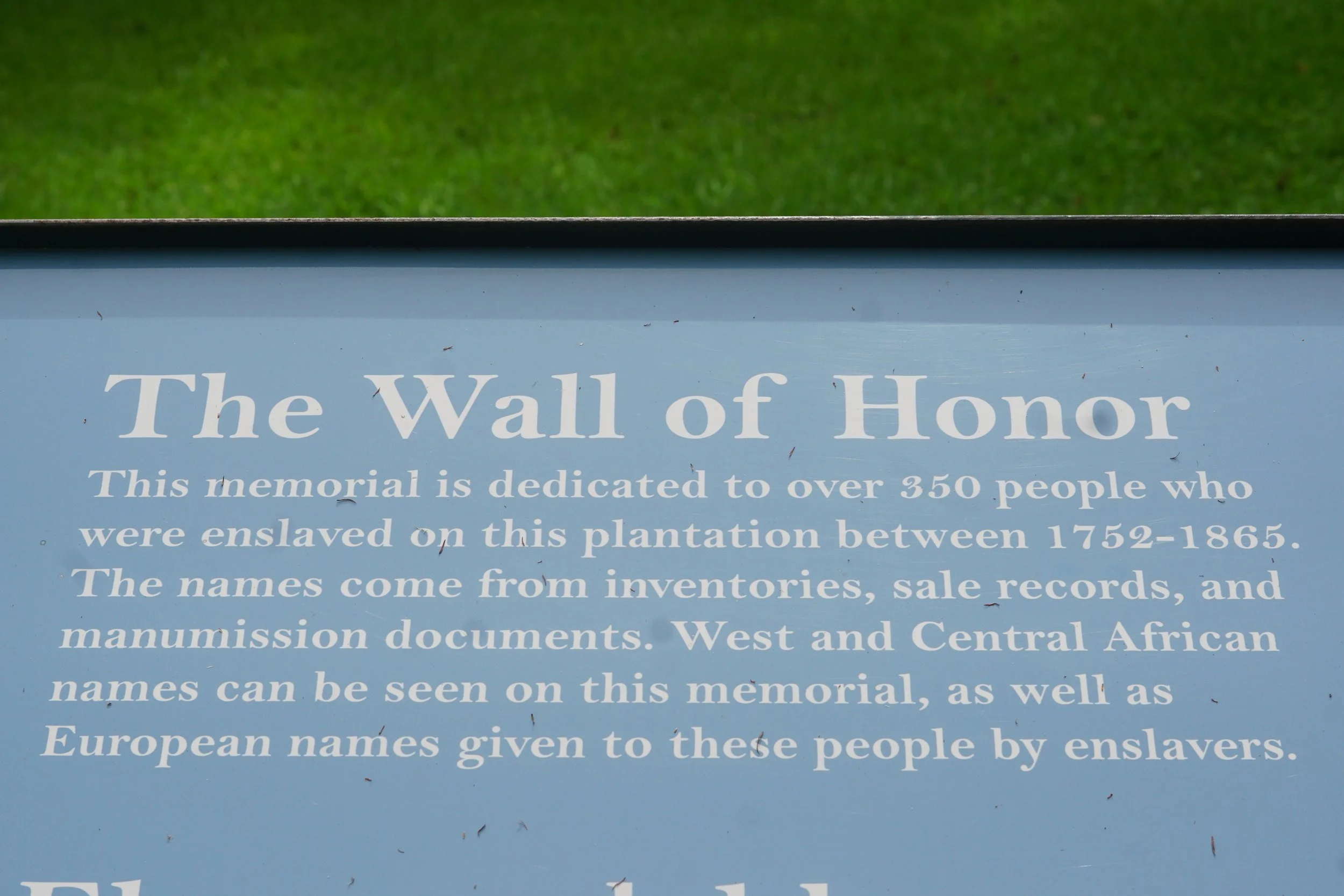
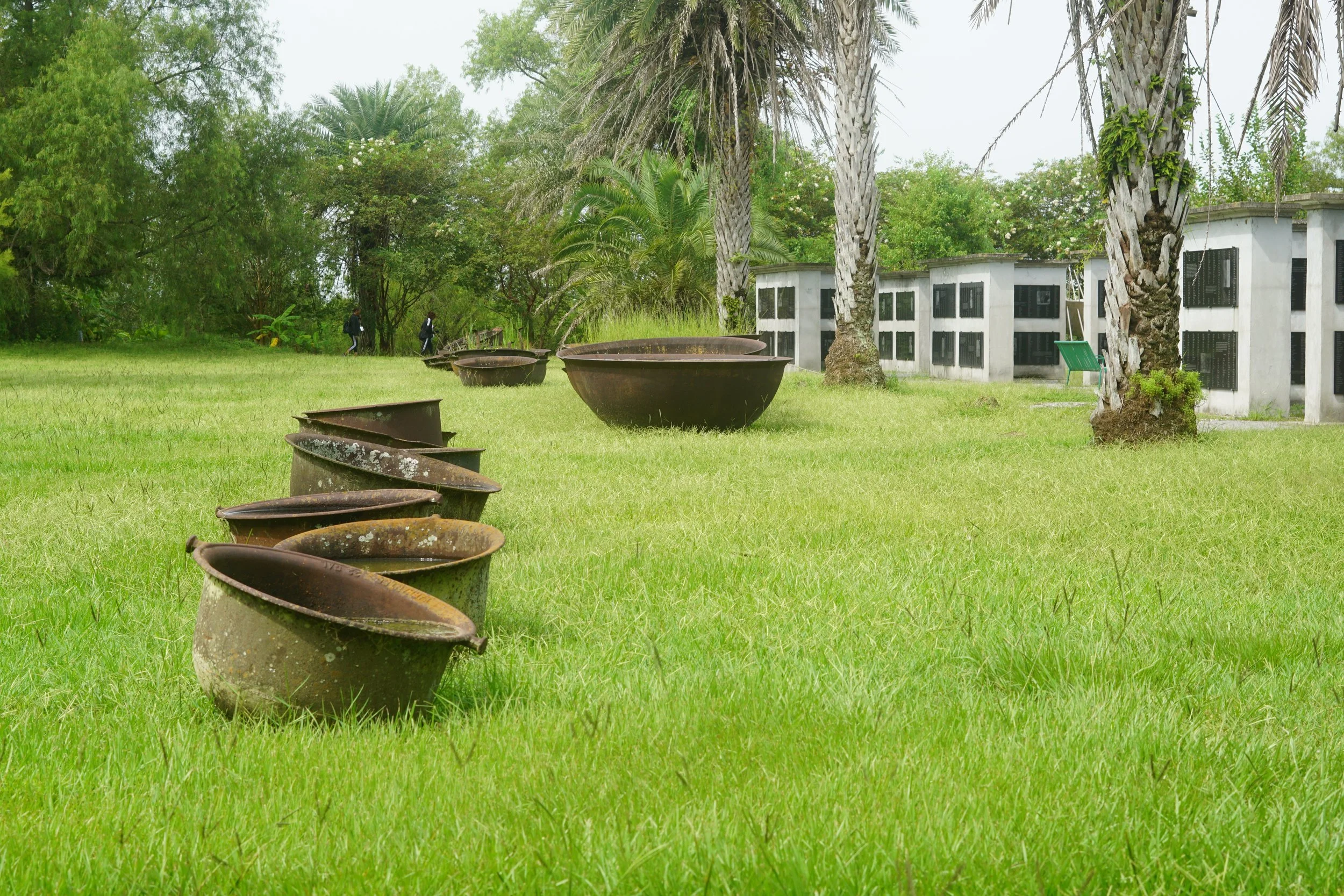
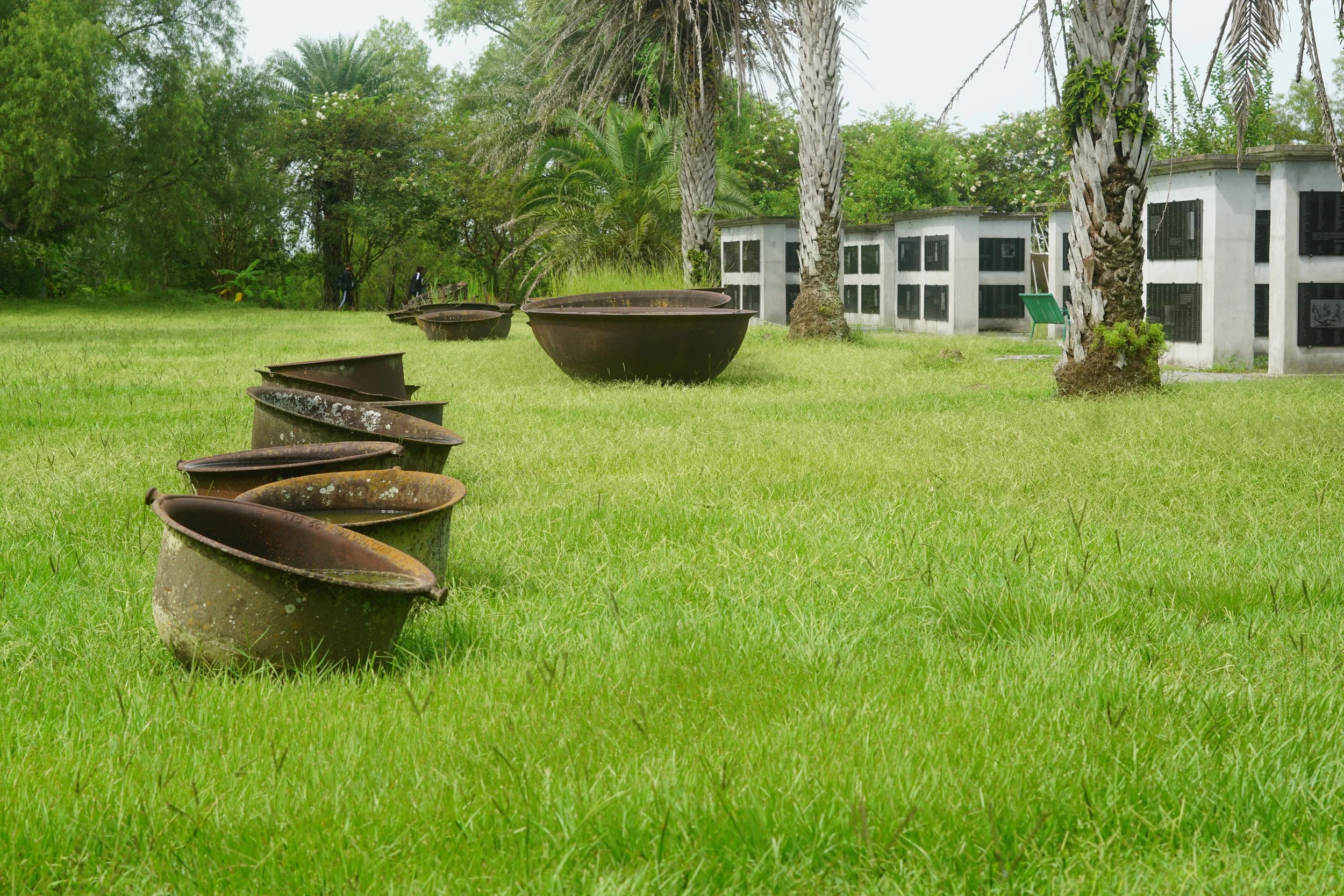
Felonice Griffe, Adou, and Mark Blacksmith are just a few of the names engraved into the mass memorials at the Whitney Plantation, originally known as Habitation Heidel, or the Heidel Plantation, in Wallace, LA.
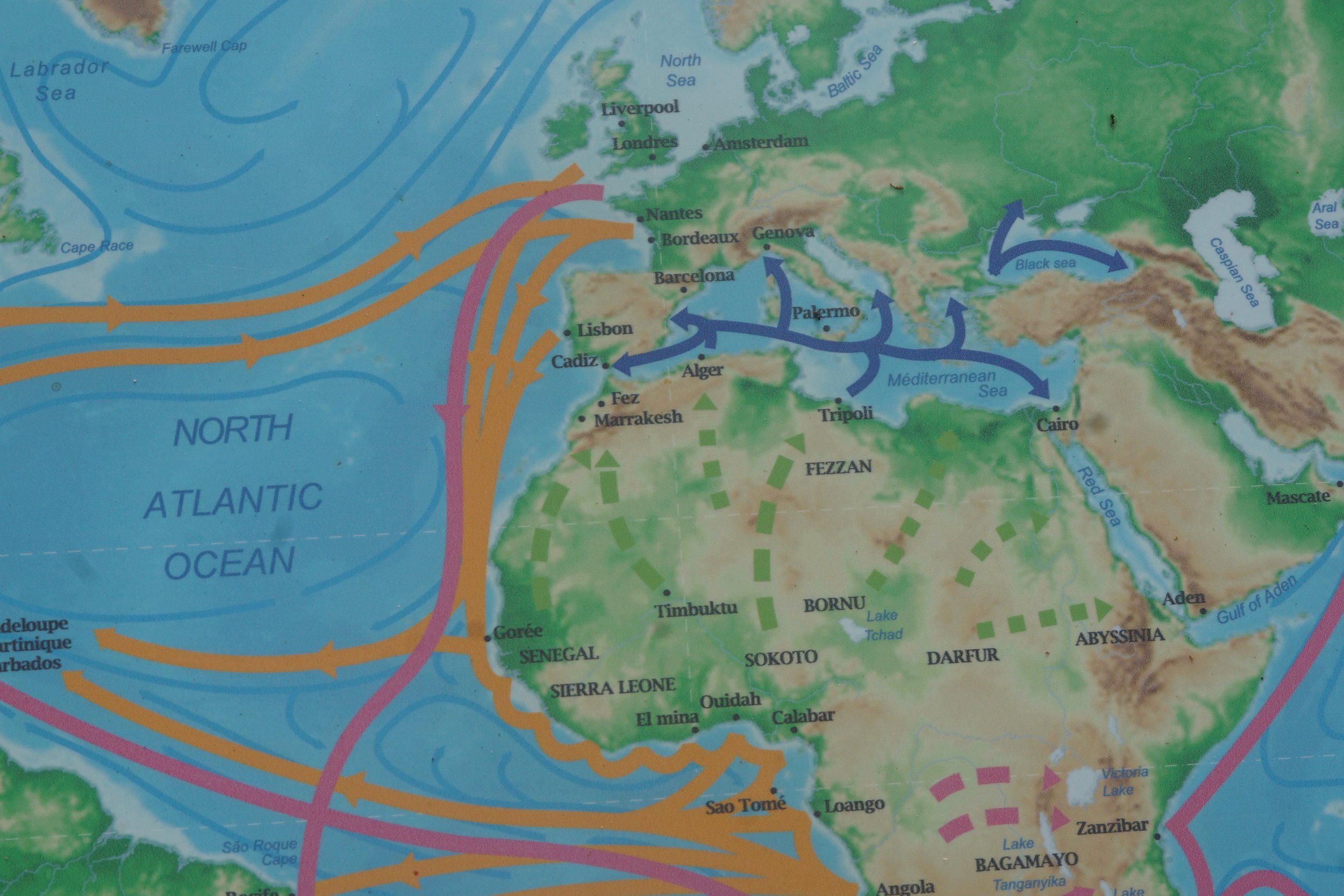
Behind these names are stories and lives of people who were stripped from their native lands and forced to labor on land that was not only foreign to them, but cruel to them. In some instances, these were people who were born on this very land, yet were never granted the rights, citizenship, or dignity afforded to others. These names carry love, strength, resilience, and perseverance. They carry so much that today their descendants and those seeking to understand their history can walk the very grounds that brought unimaginable pain to generations of Black families.
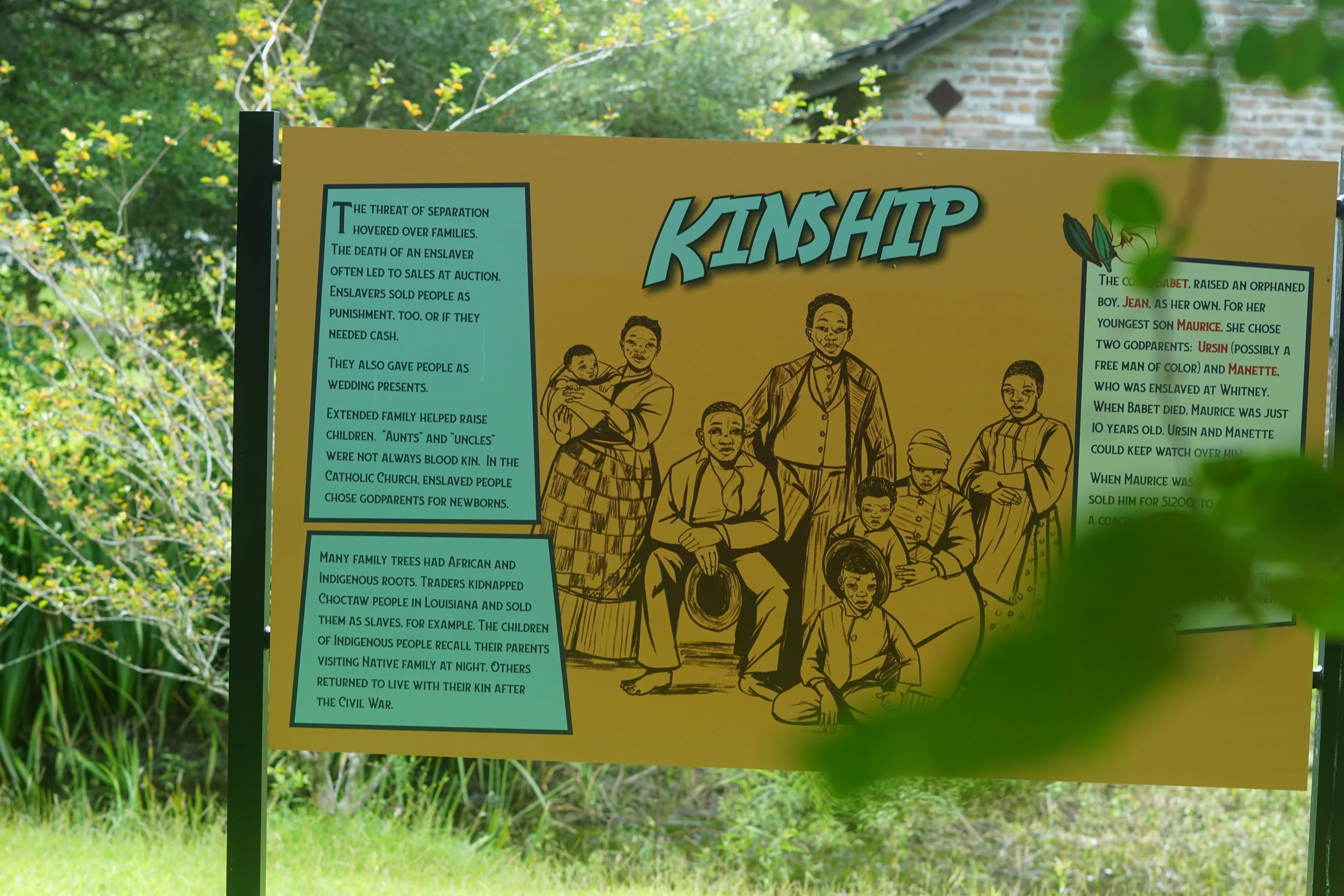
This is where families were created and torn apart. Where Black women were forced to nurse and raise the children of their captors while their own children labored beside them in the fields or were sold away to other plantations. It is a painful reminder that slavery did not only steal labor; it stole childhoods, parenthood, and generations of family bonds.
The Pastures
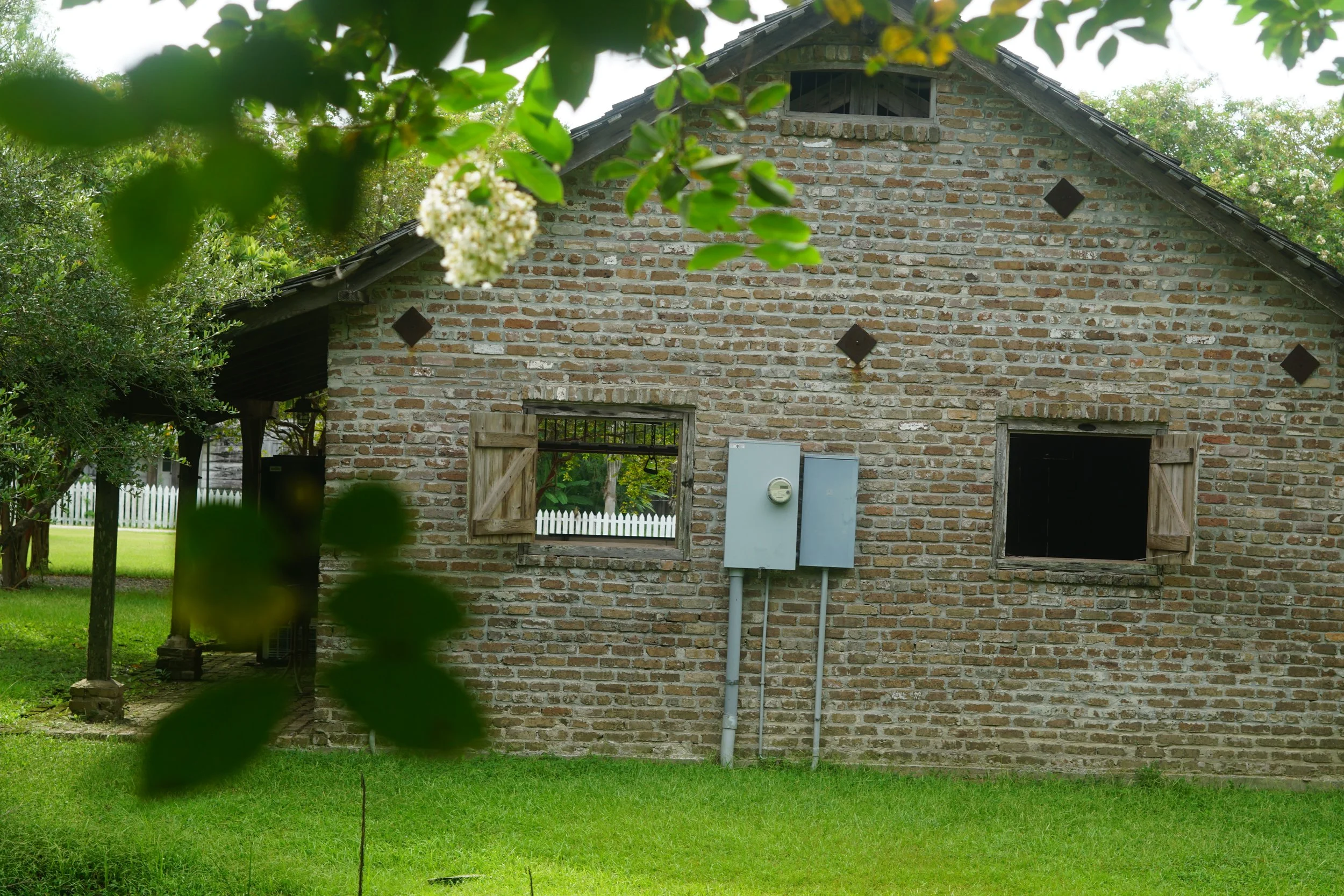
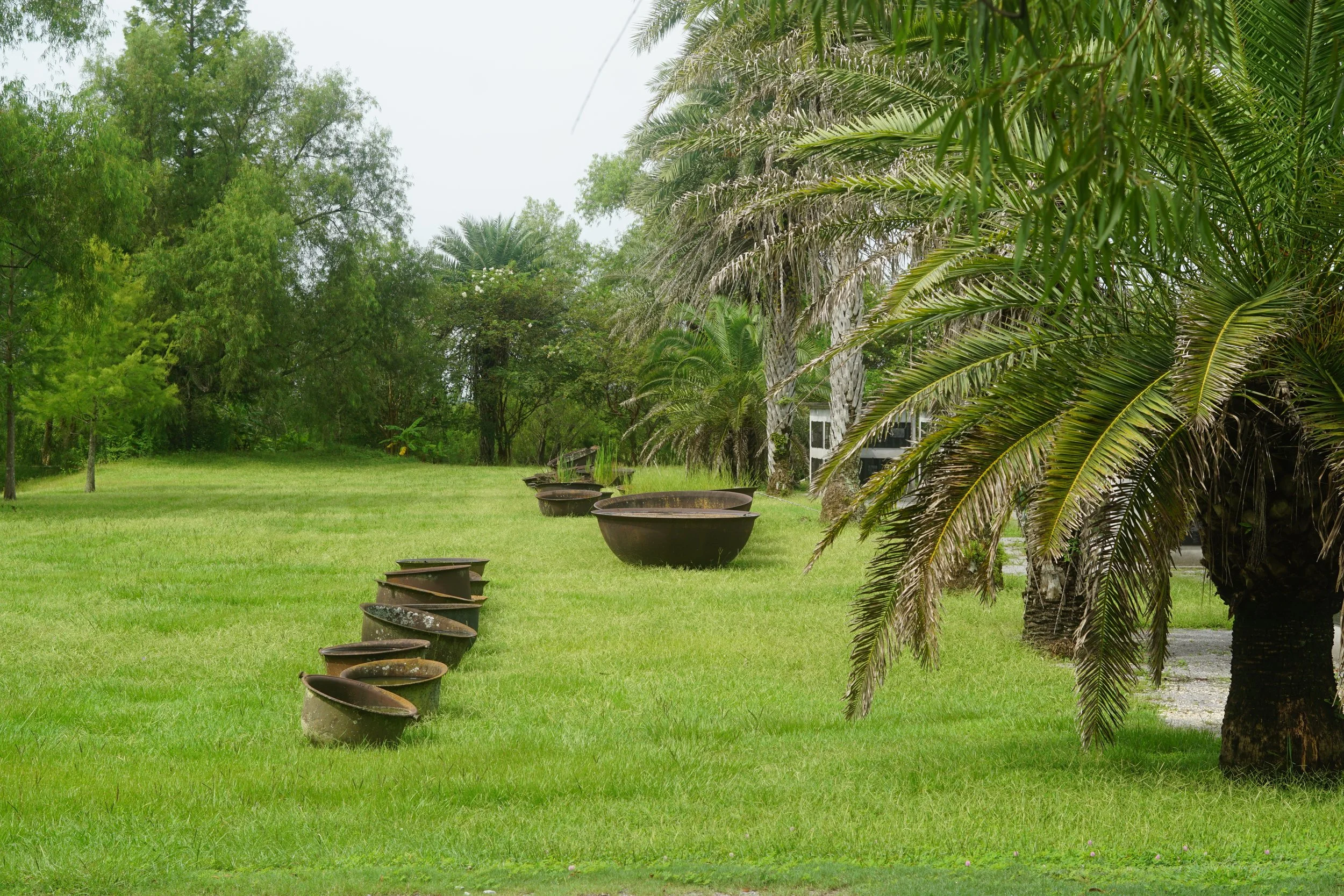
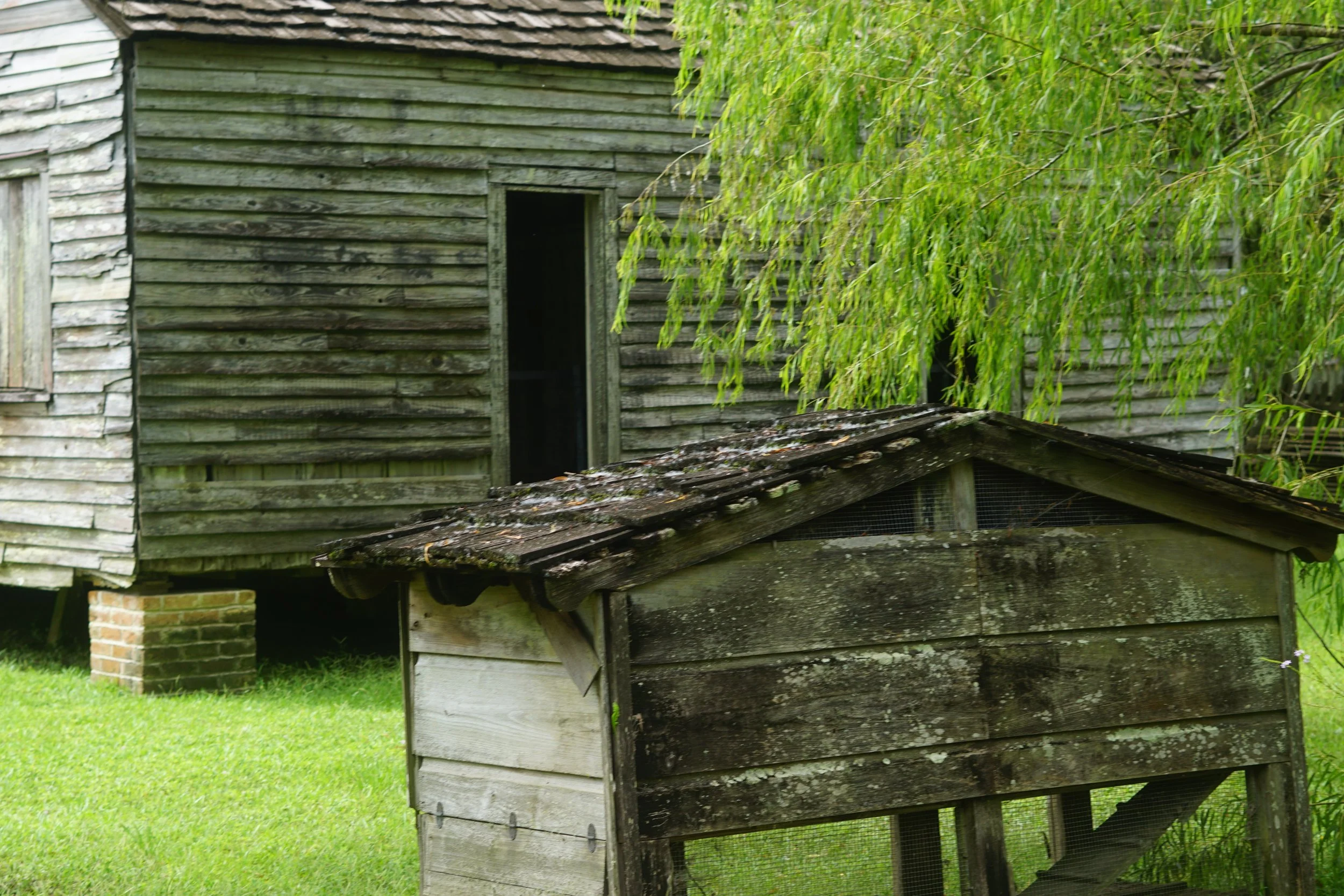
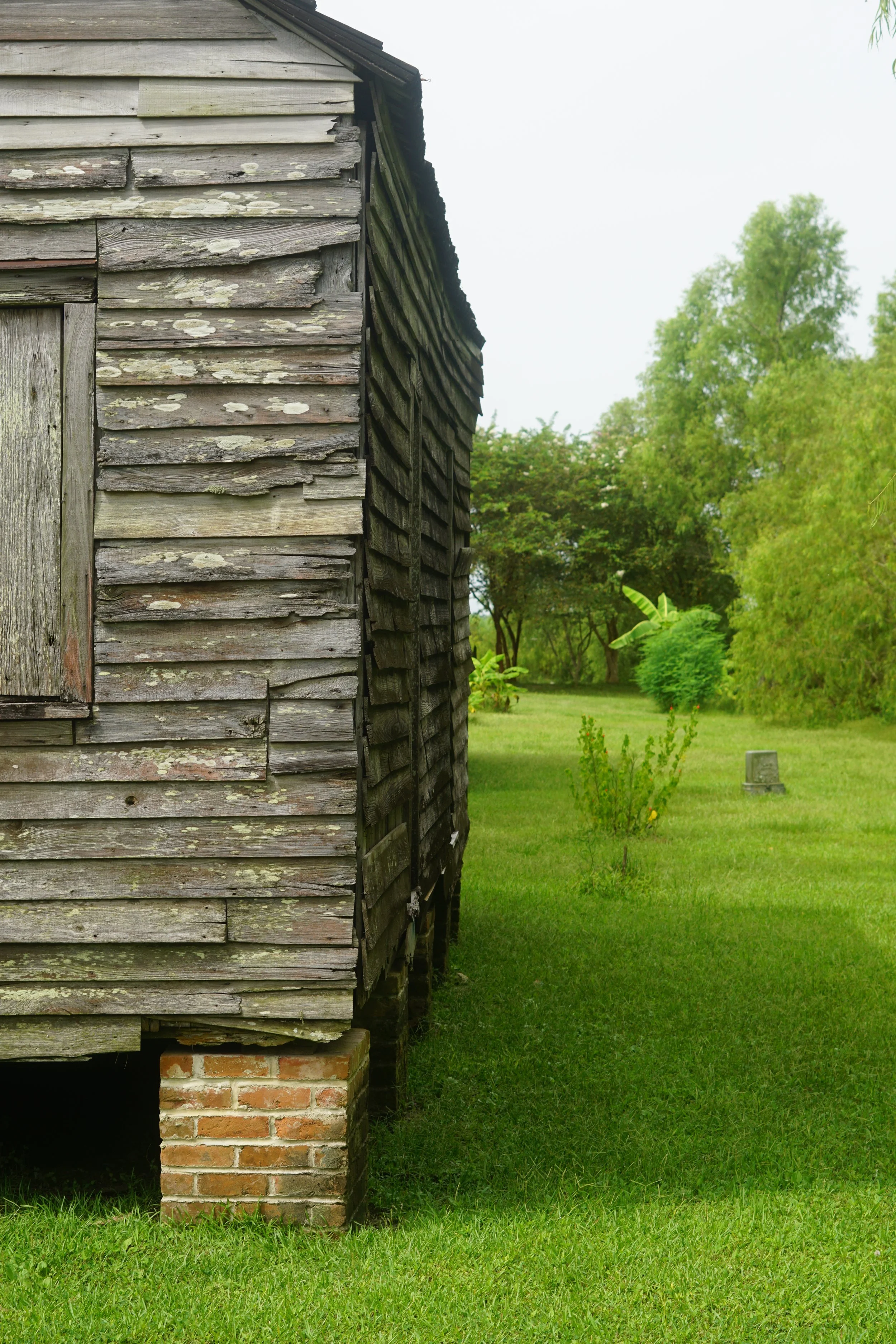
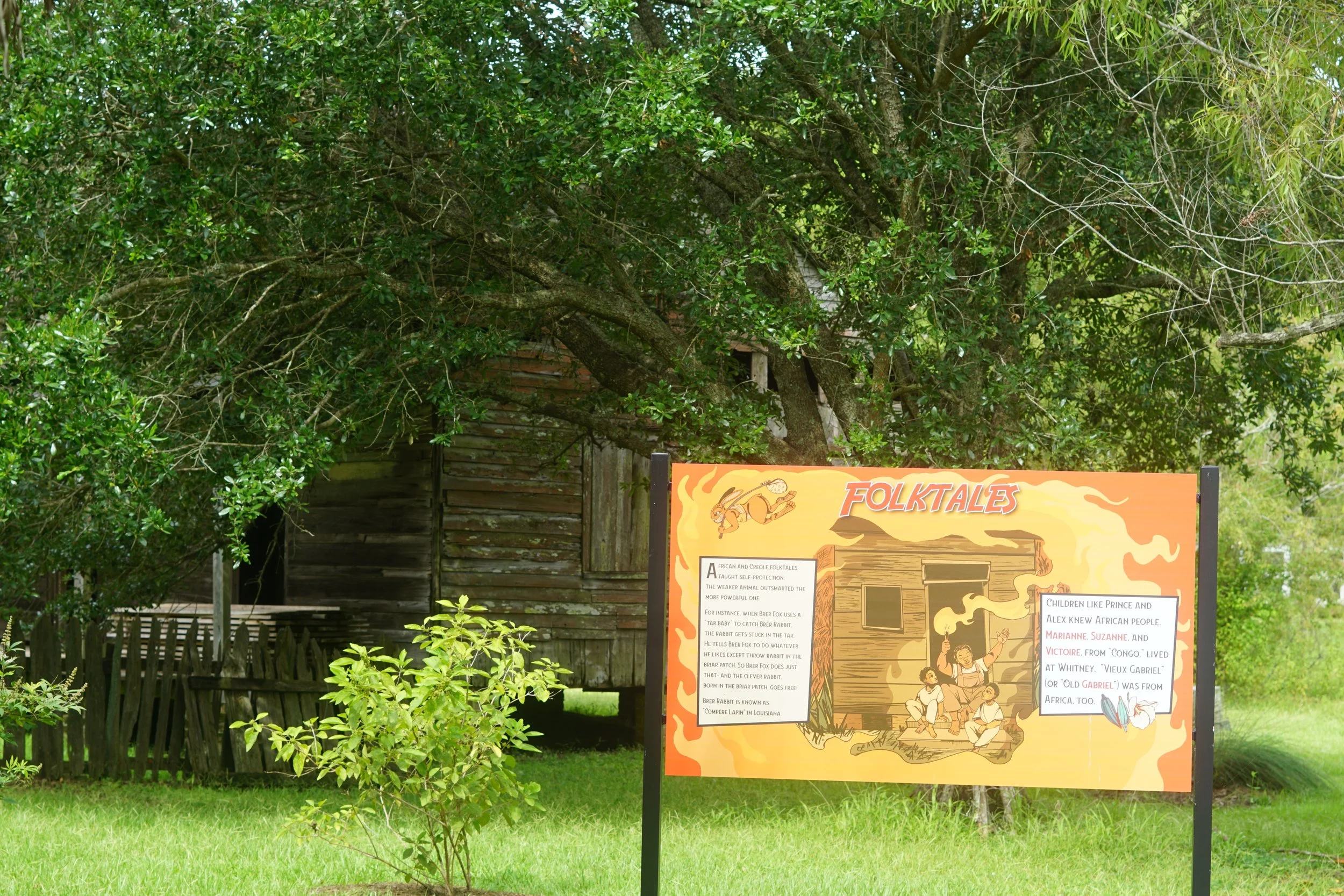
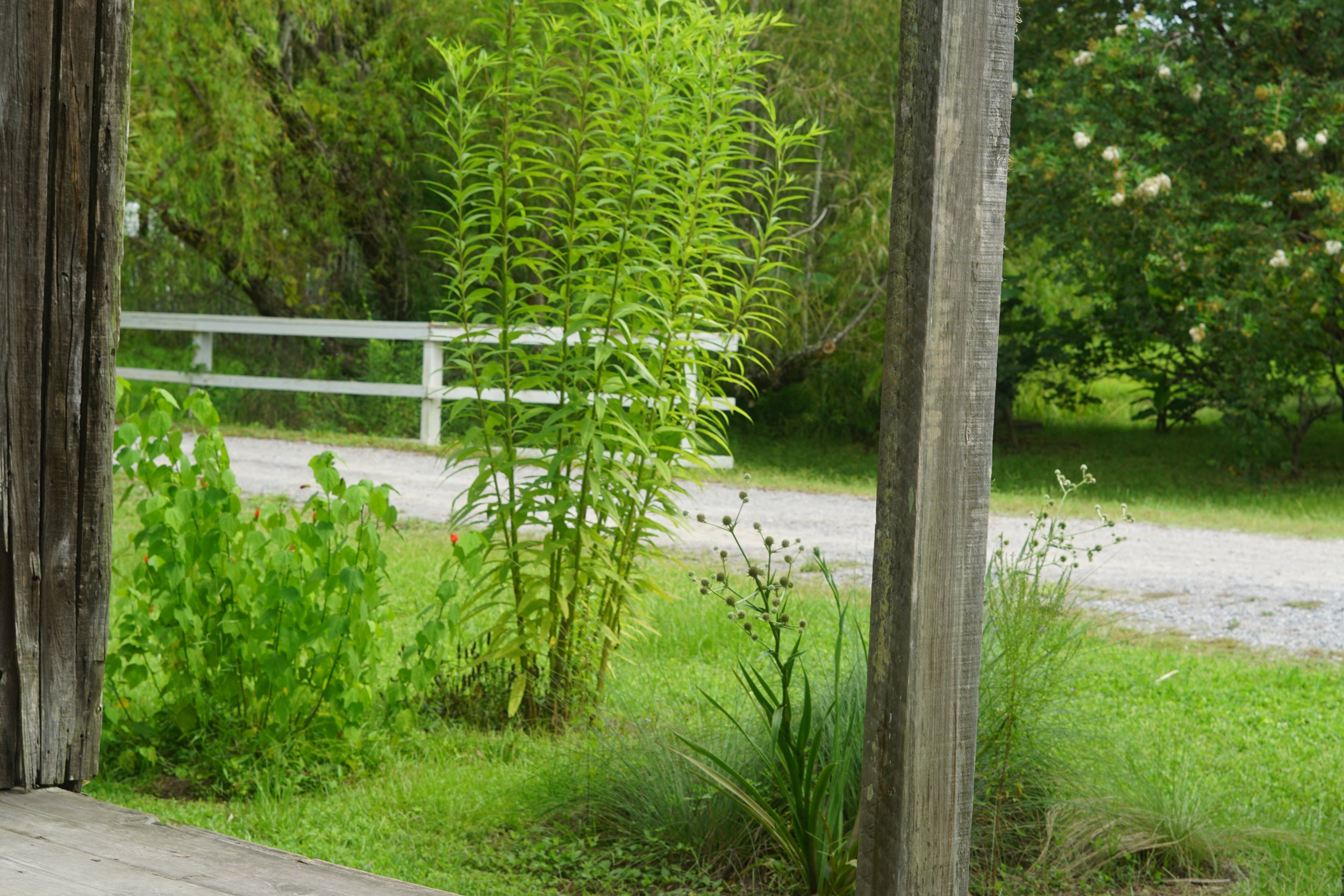
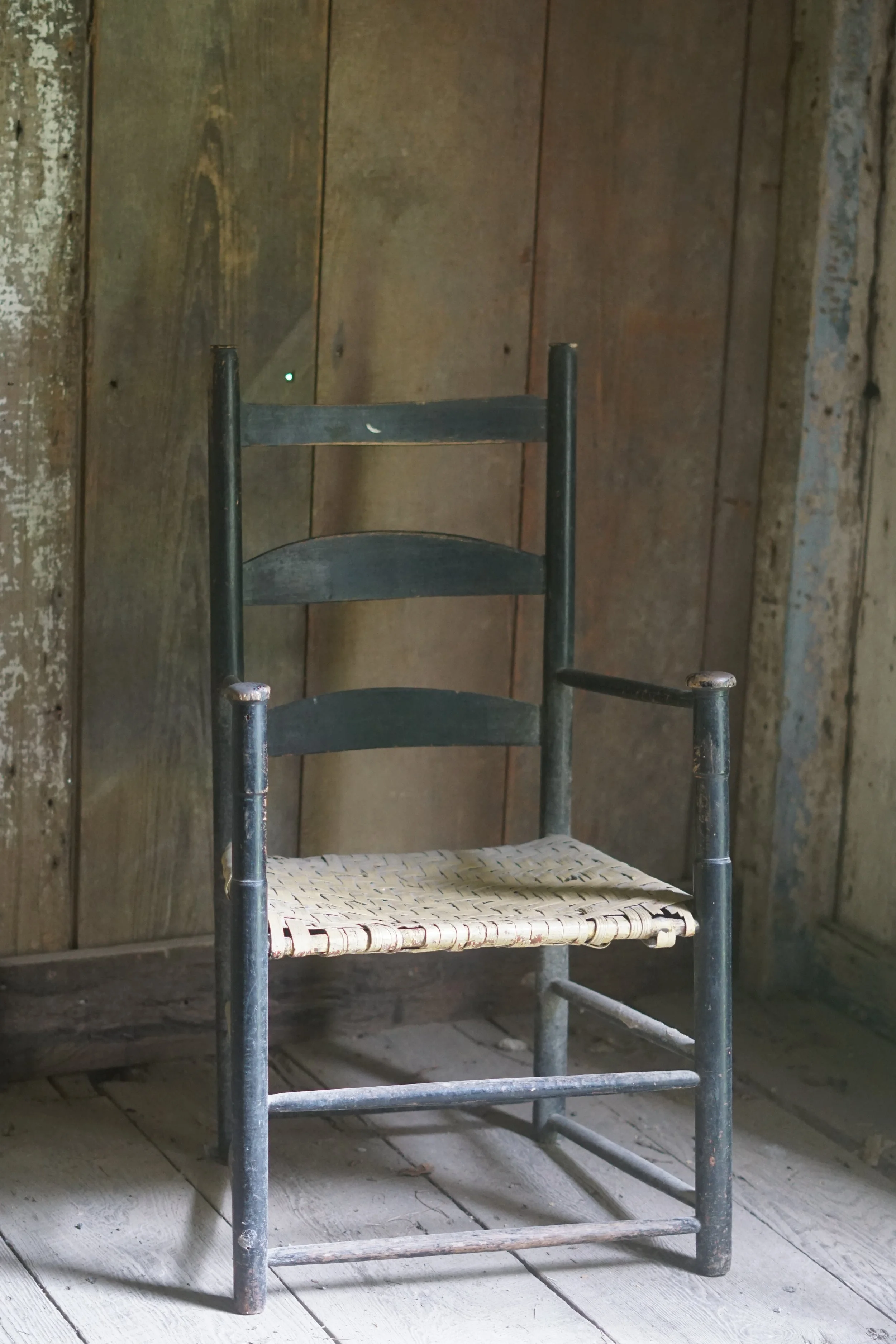
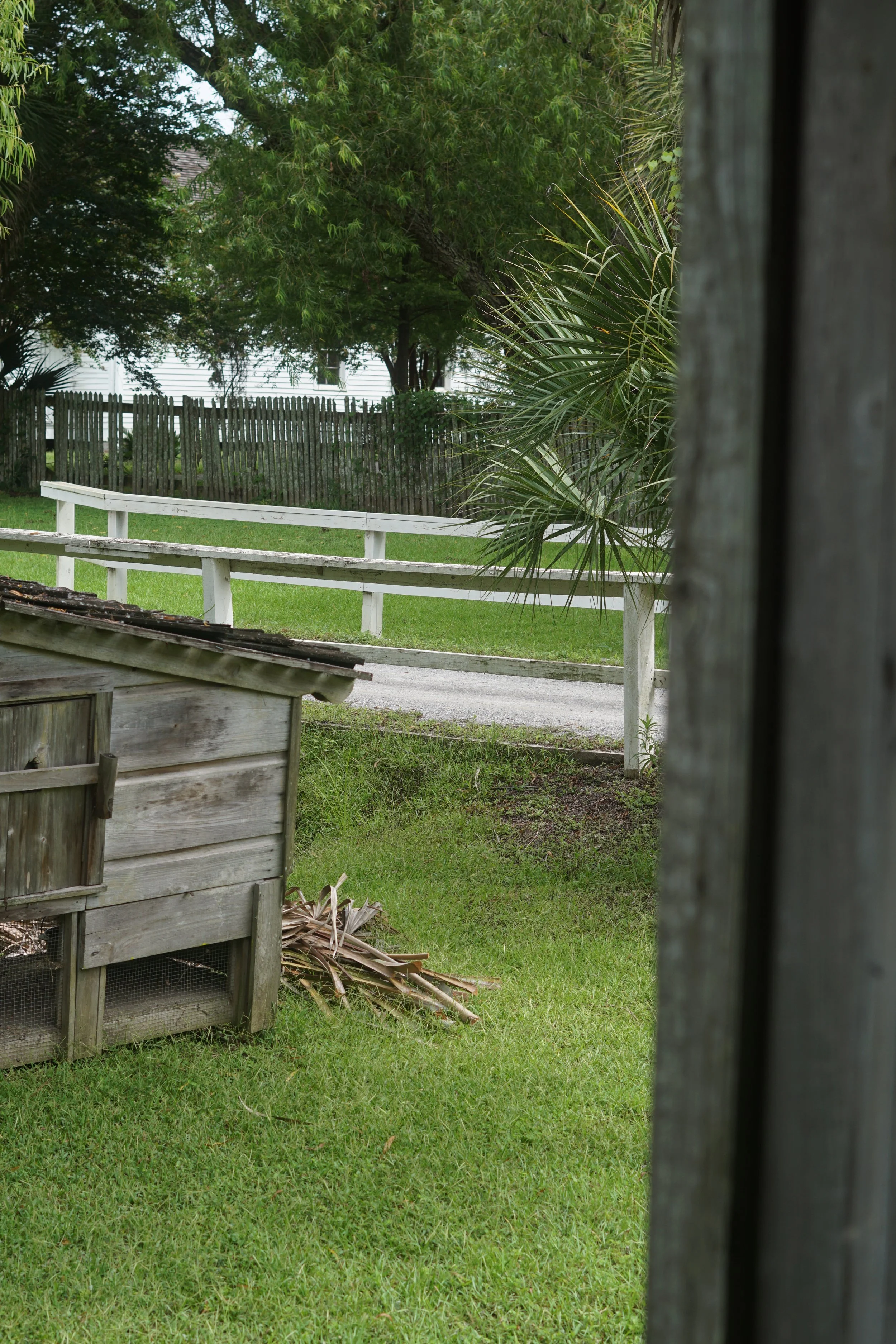
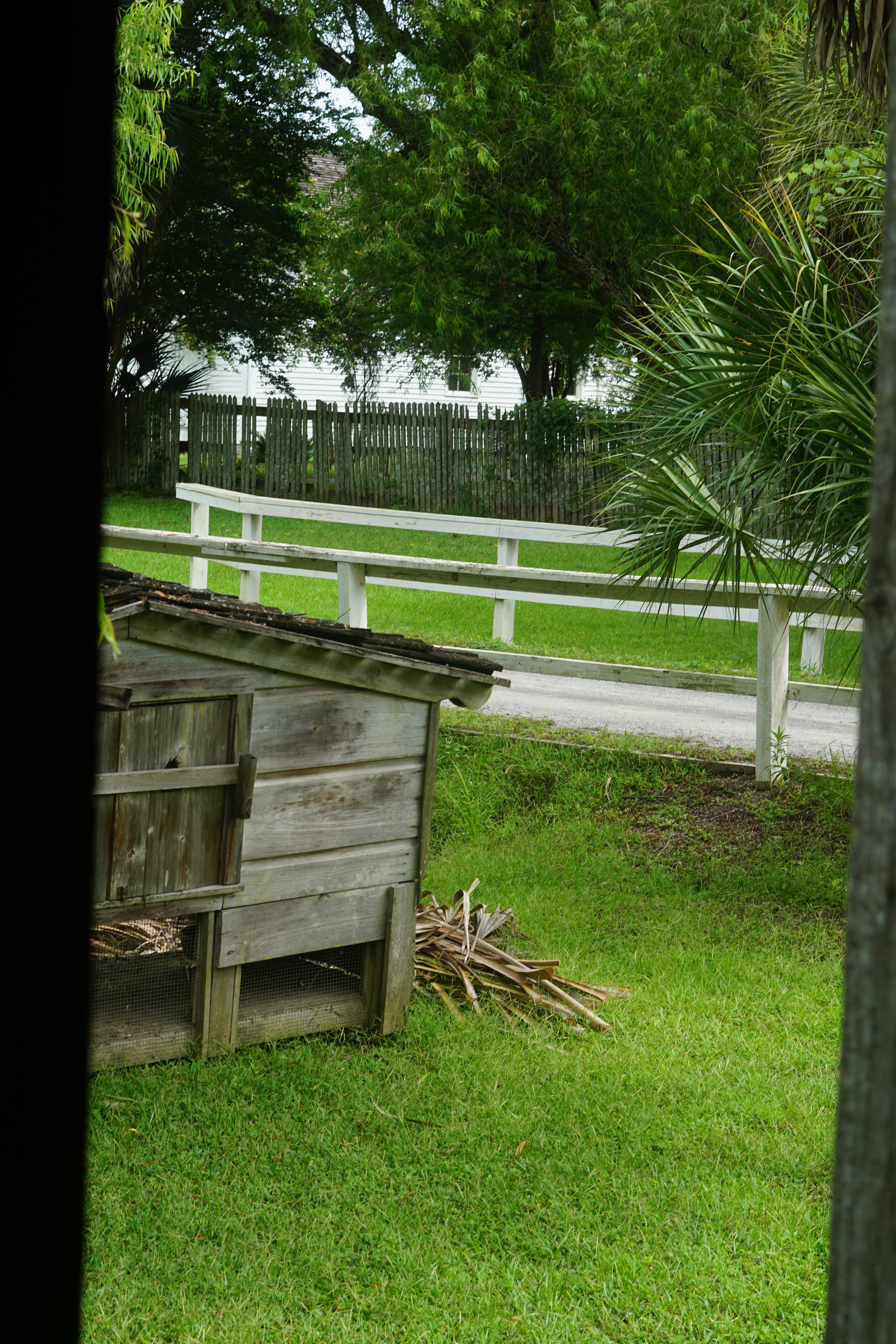
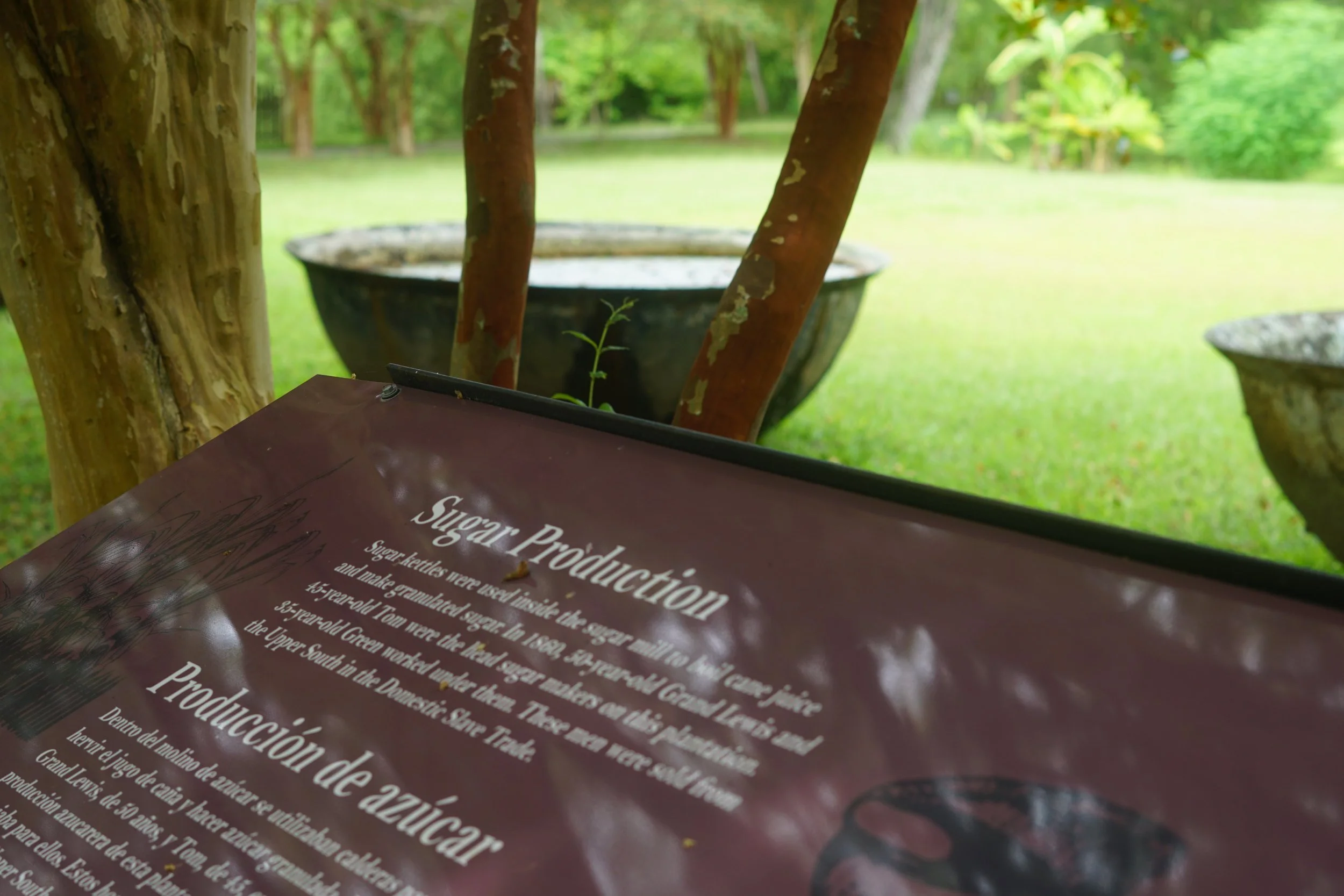
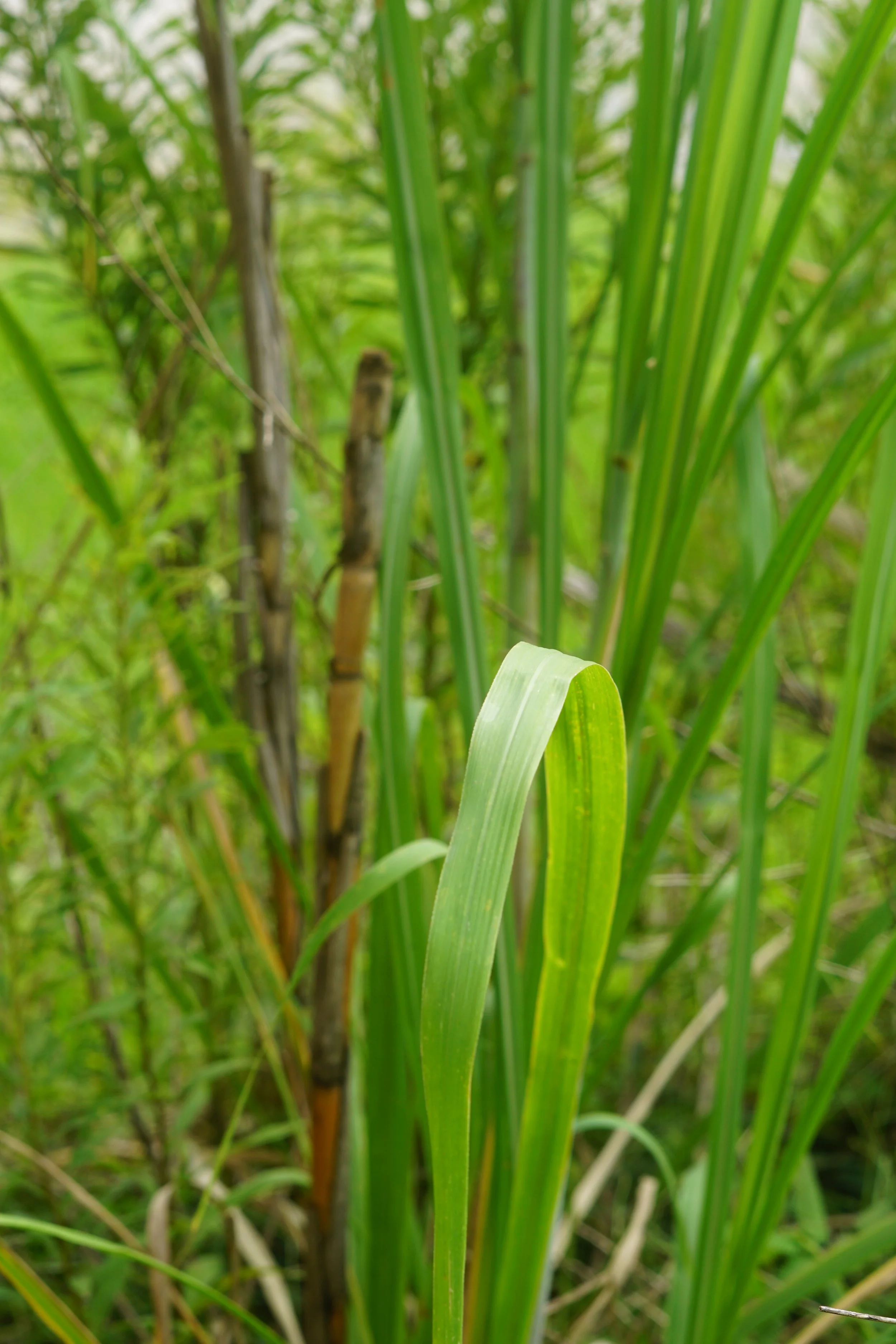
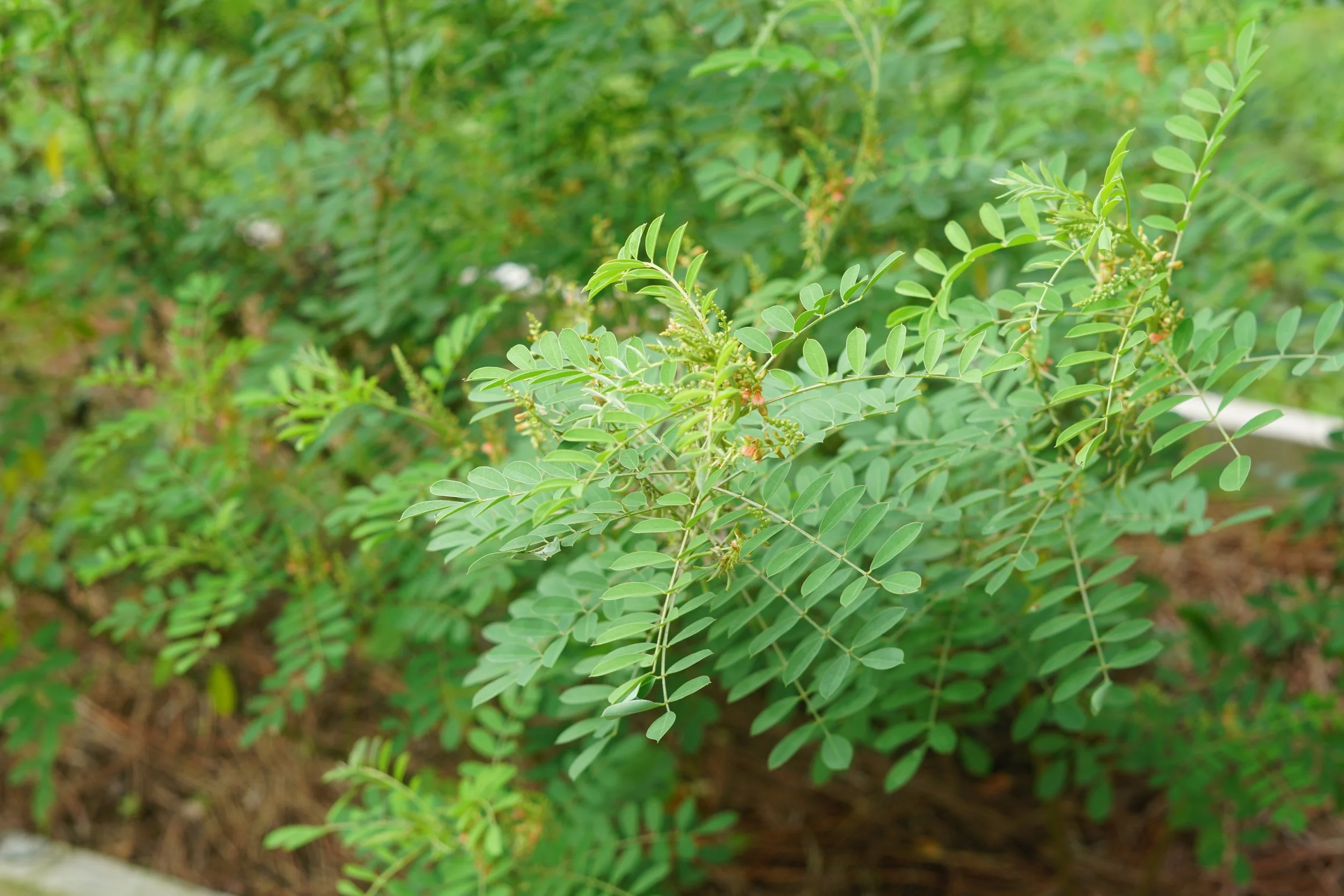
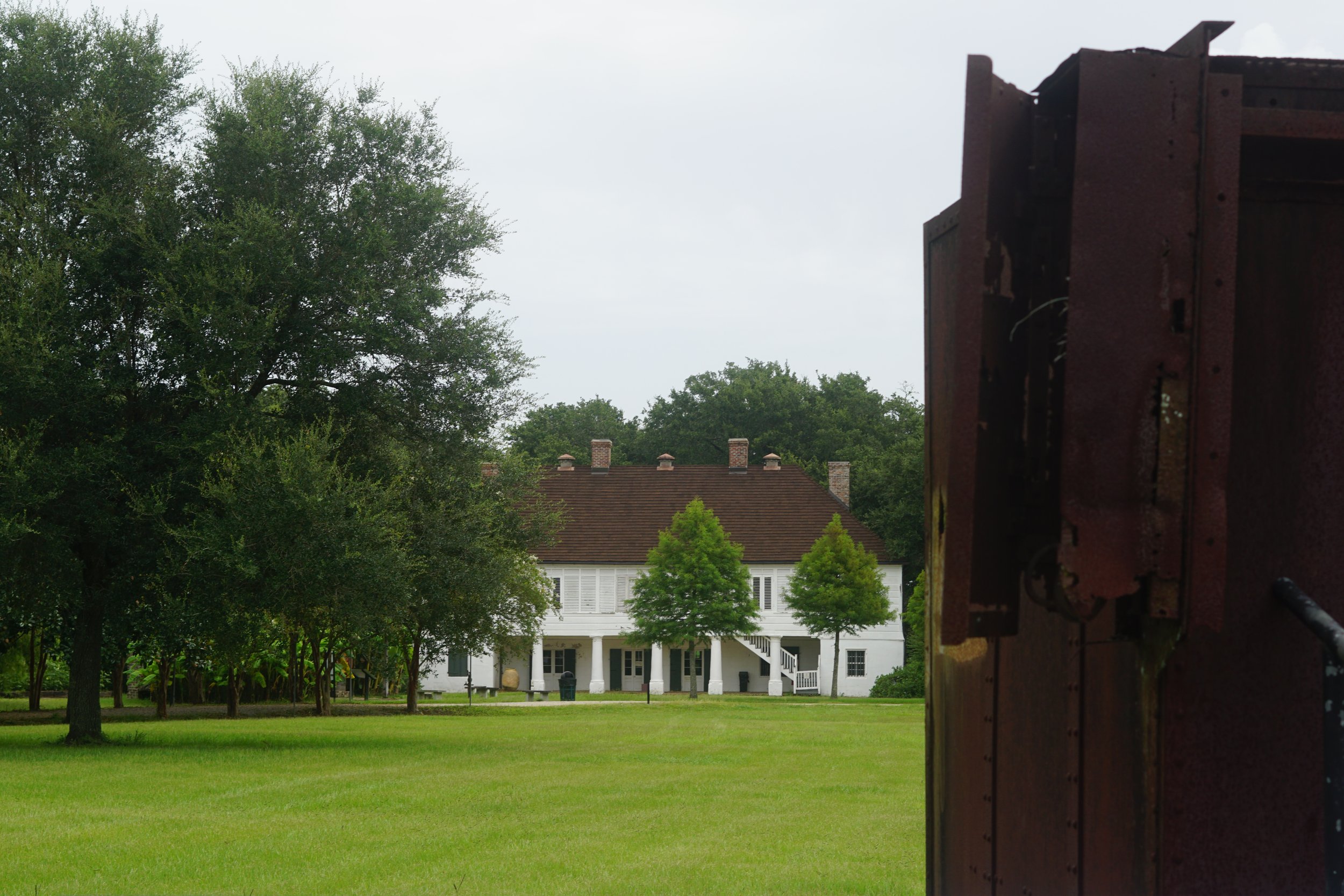
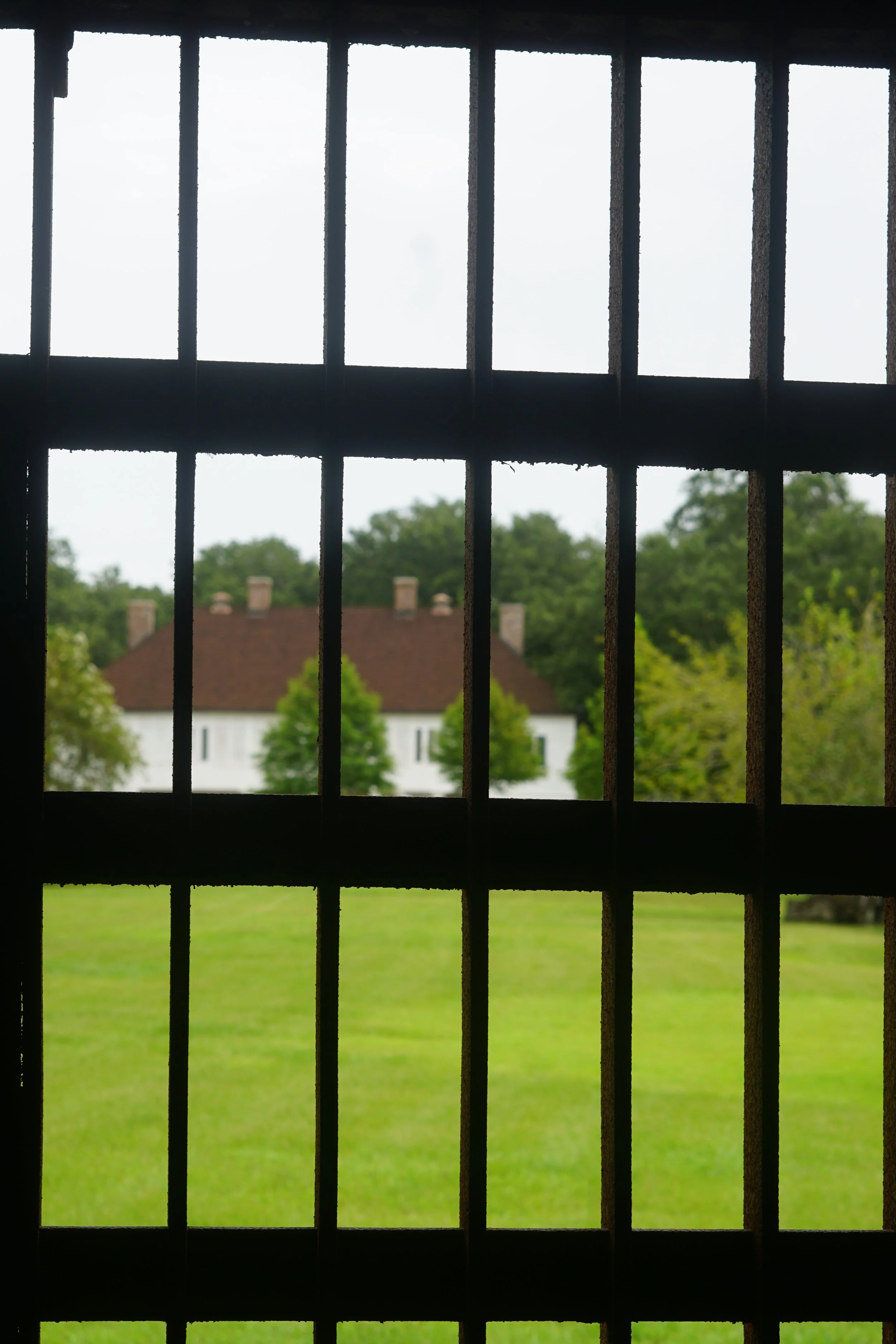
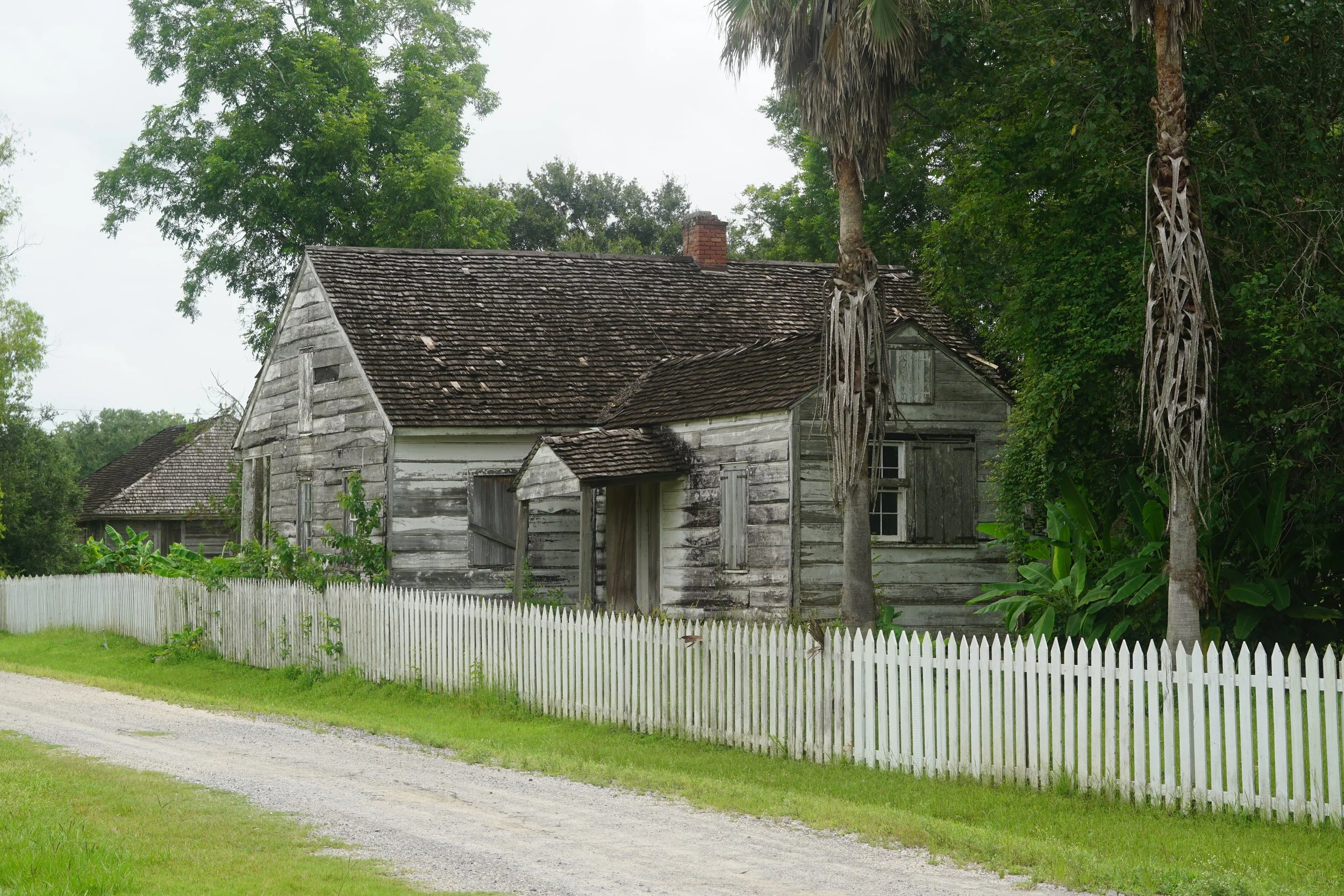
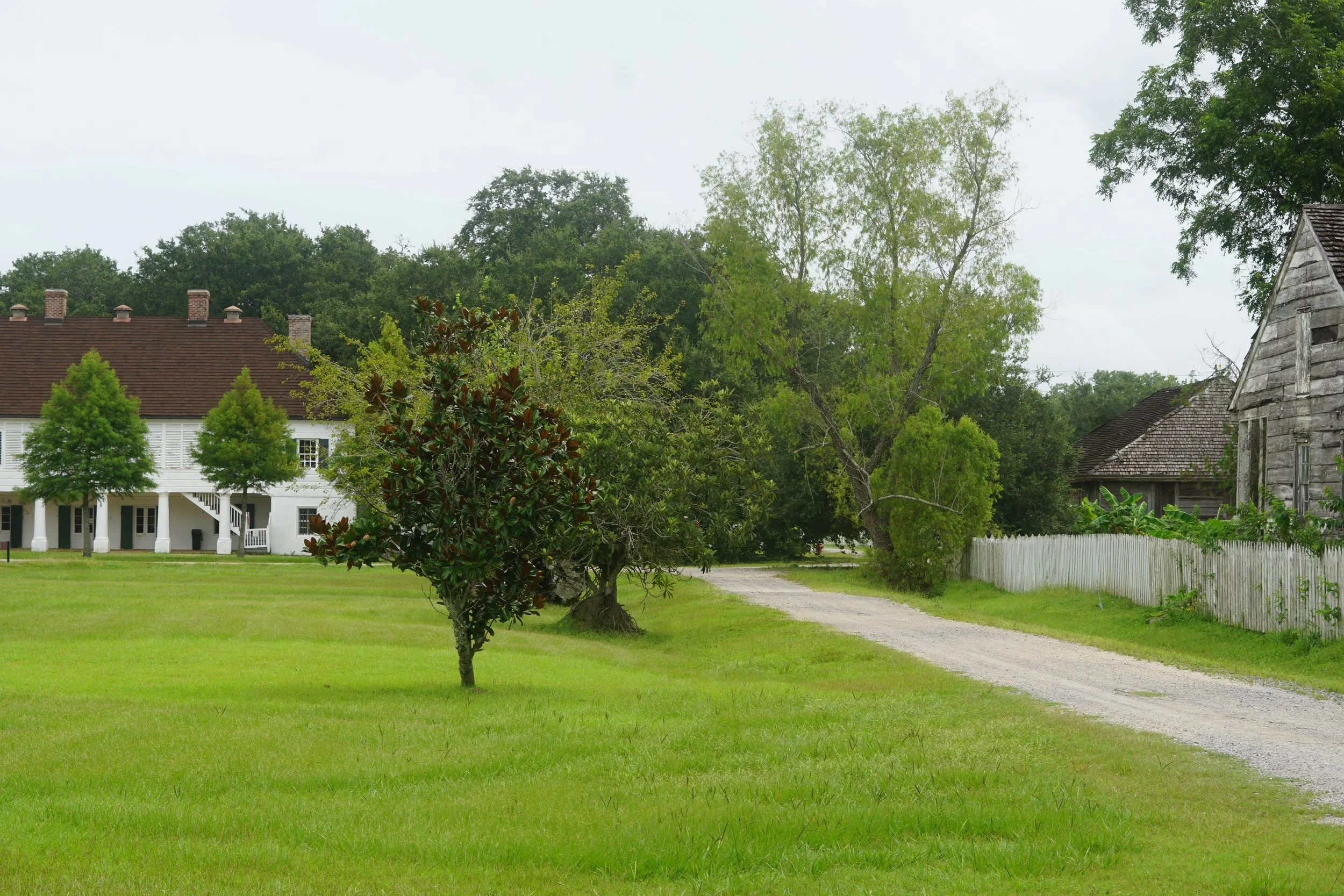
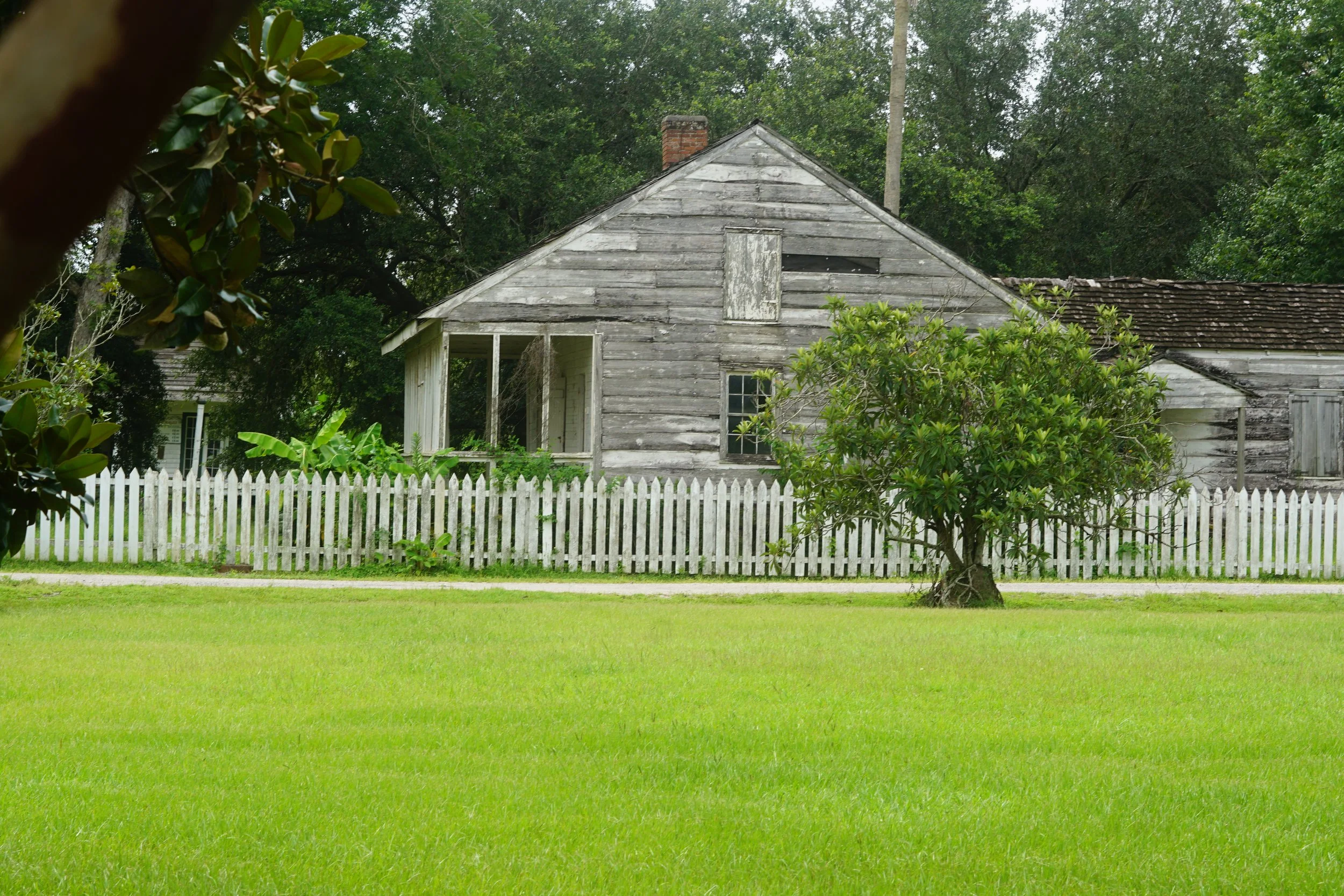
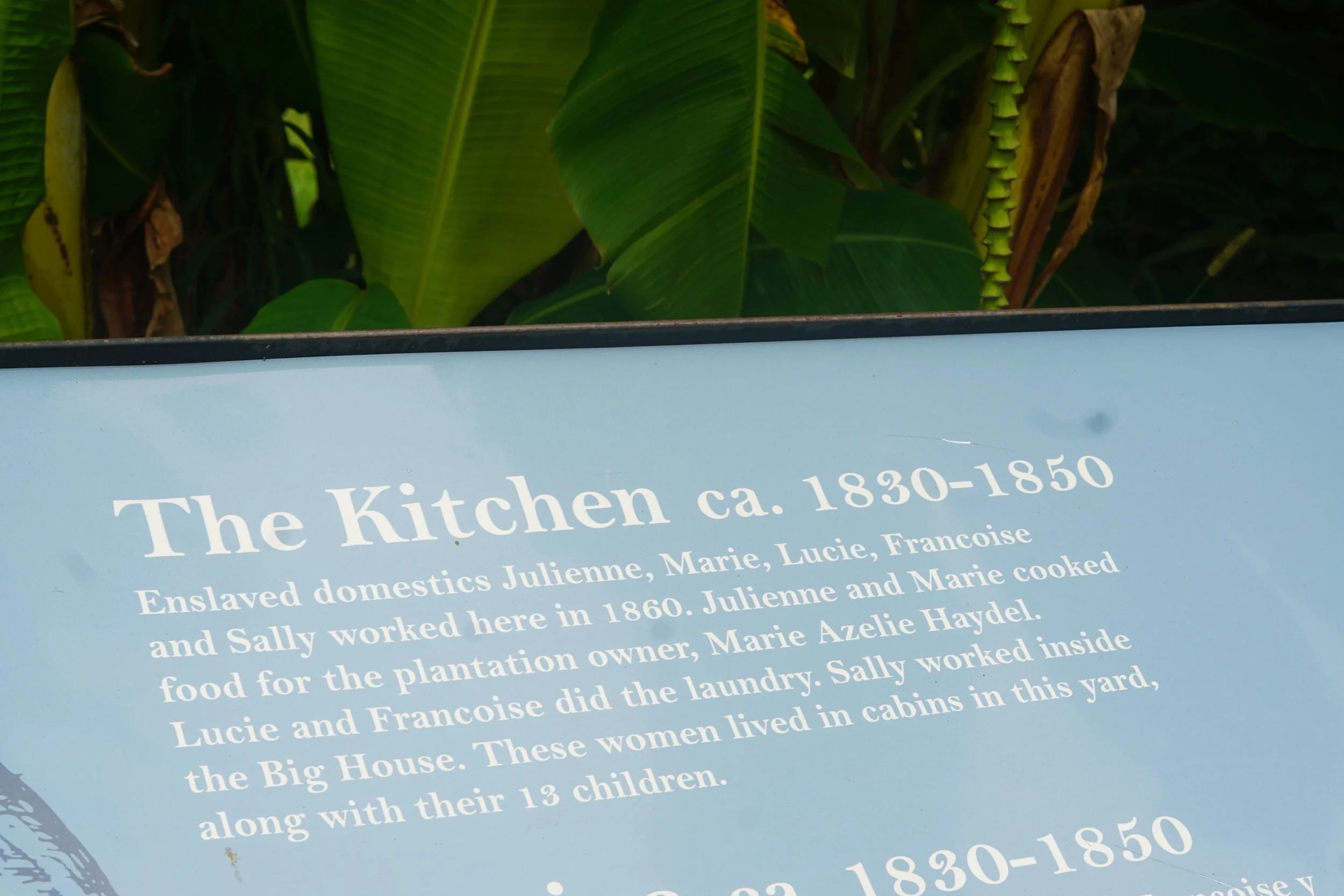
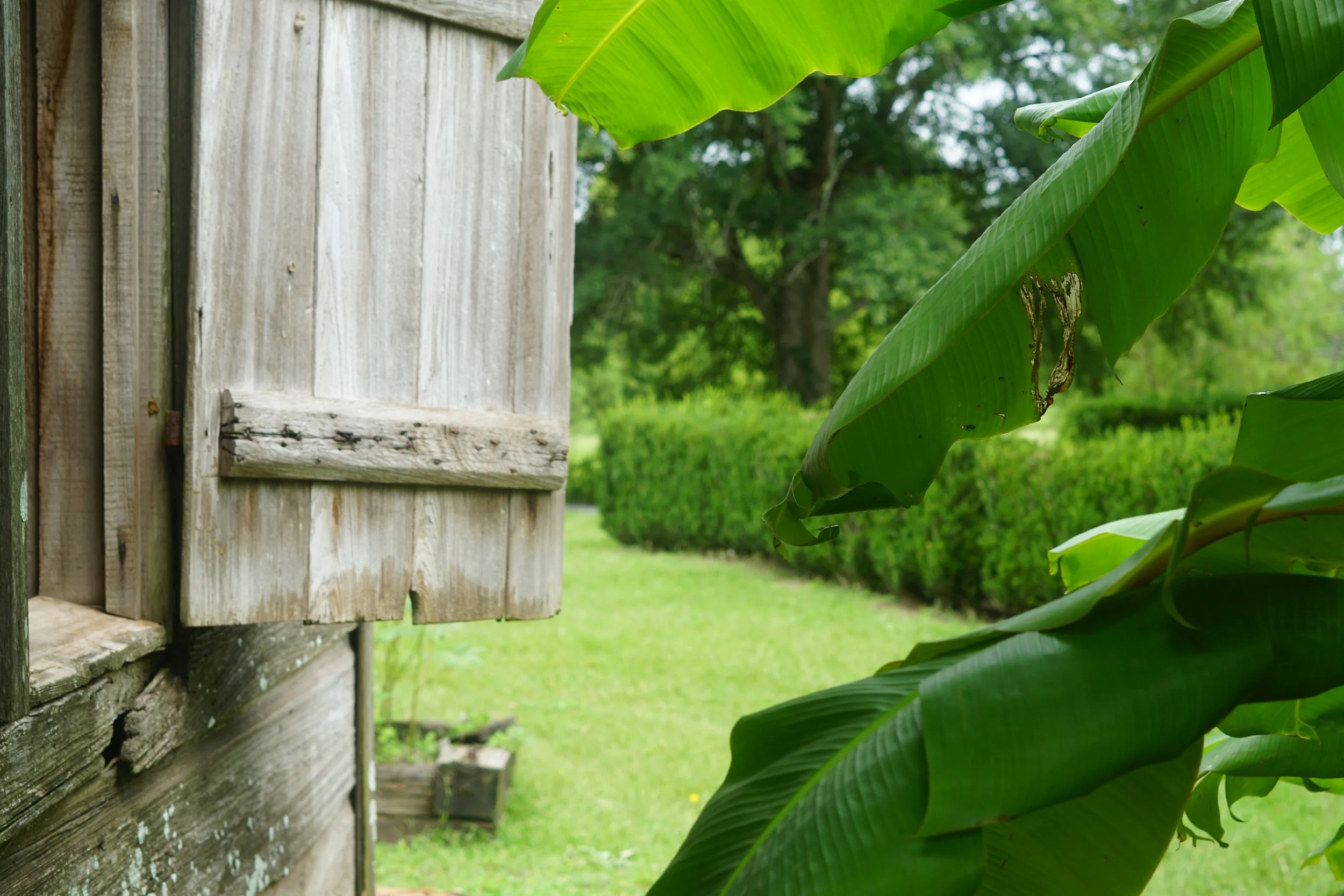
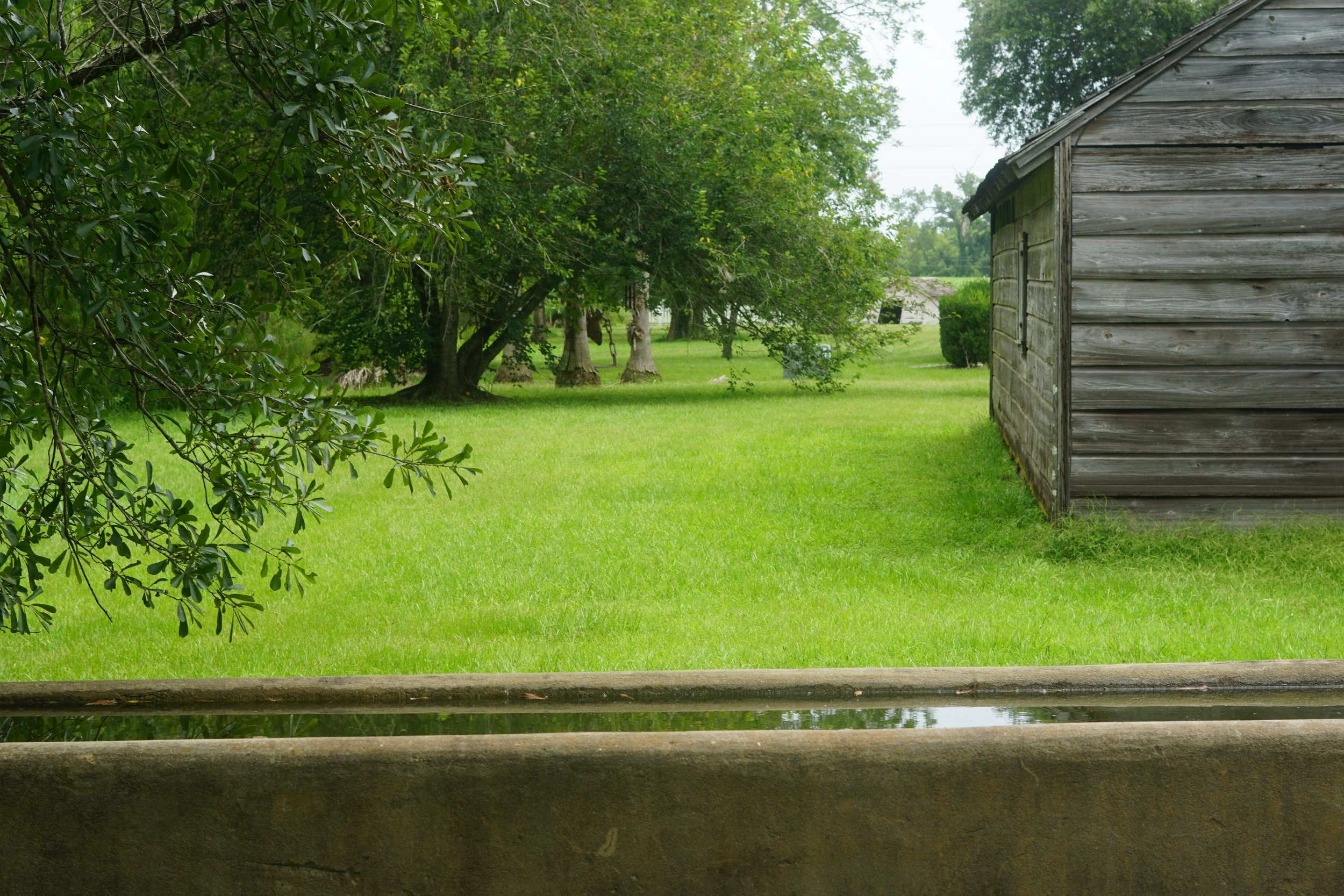
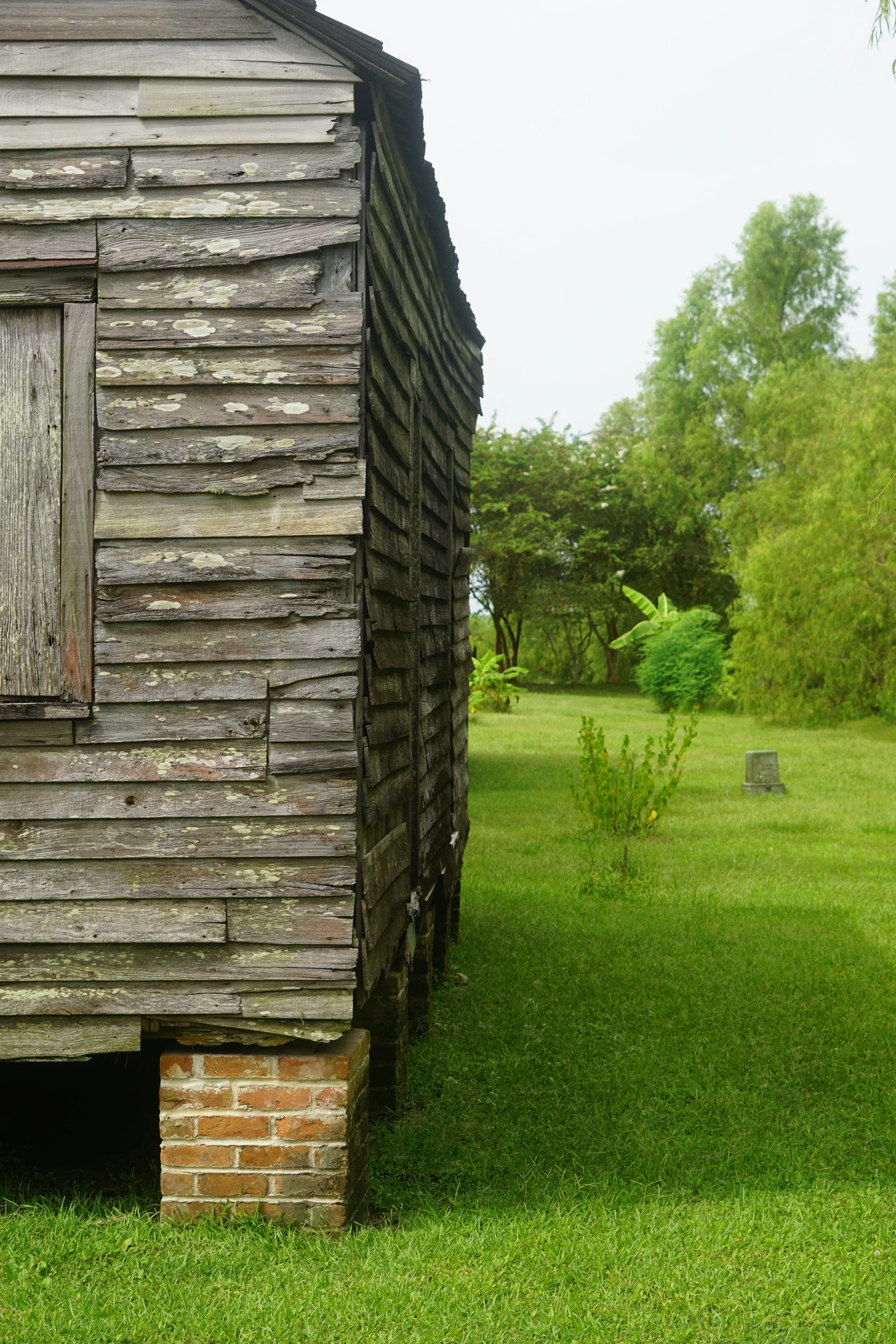
The pastures of the Whitney Plantation still feature sugarcane and indigo, crops that were planted, harvested, and processed through the labor of enslaved Africans. The original slave cabins still stand, alongside the "big house," both built by enslaved hands. Walking between these buildings makes it impossible to ignore the contrast between the lives of those who profited from slavery and those whose labor made that wealth possible.
The Church
One of the most moving parts of the plantation is the church, founded by formerly enslaved people after emancipation. It stands as a testament to how faith and love guided their survival and sustained their strength beyond the physical. Spirituality has long been a beacon of hope for African people and their descendants, offering comfort in the face of unimaginable suffering.
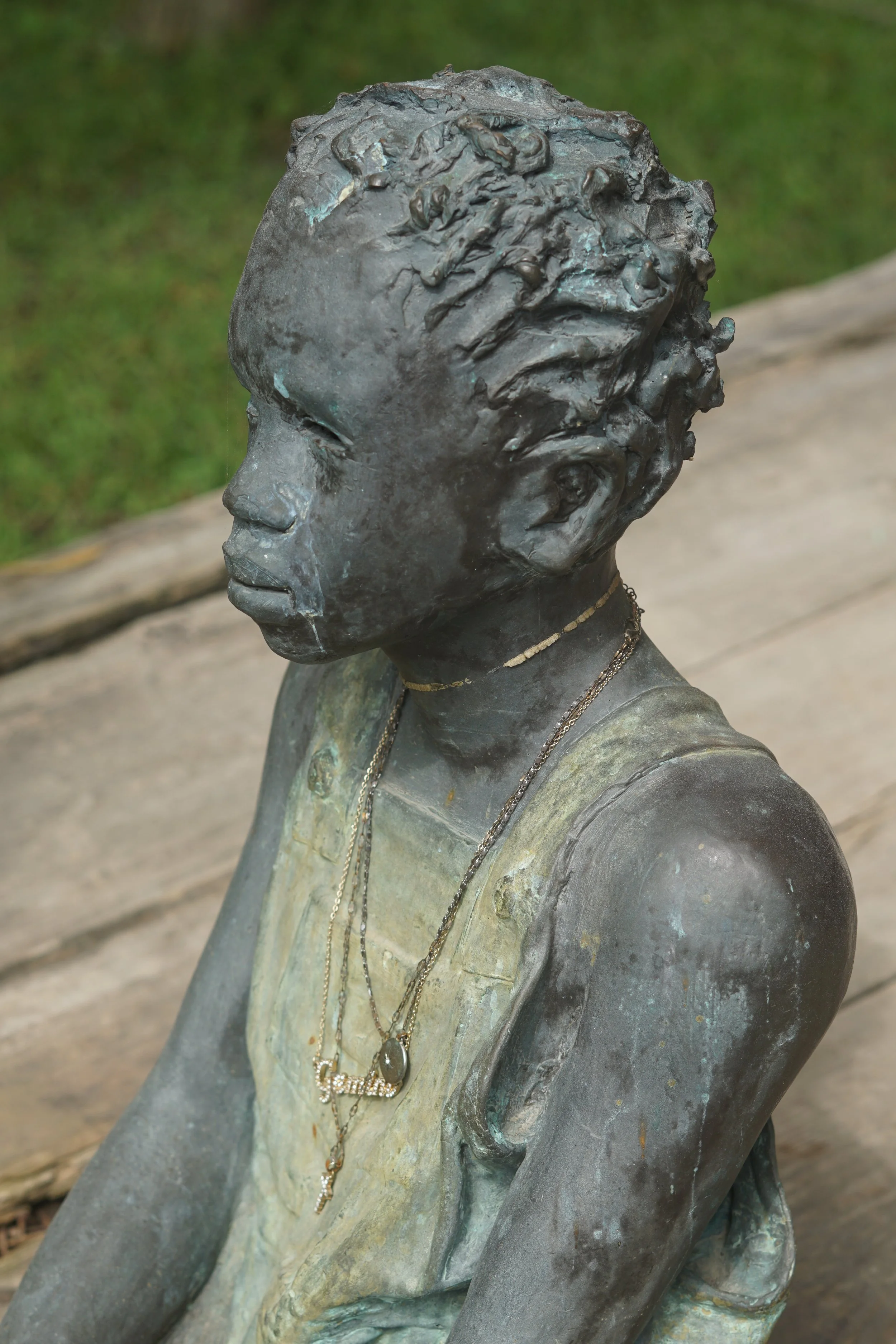
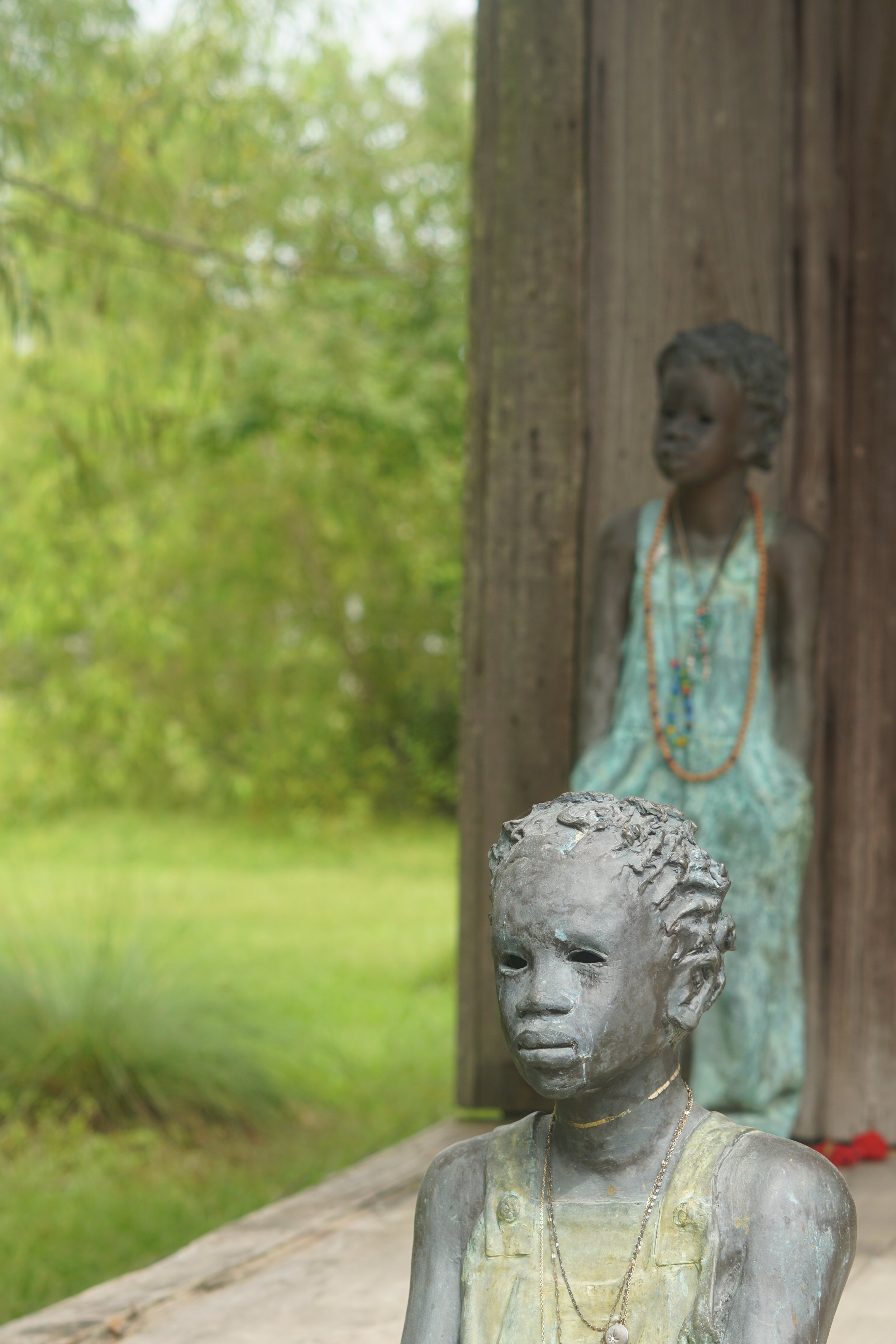
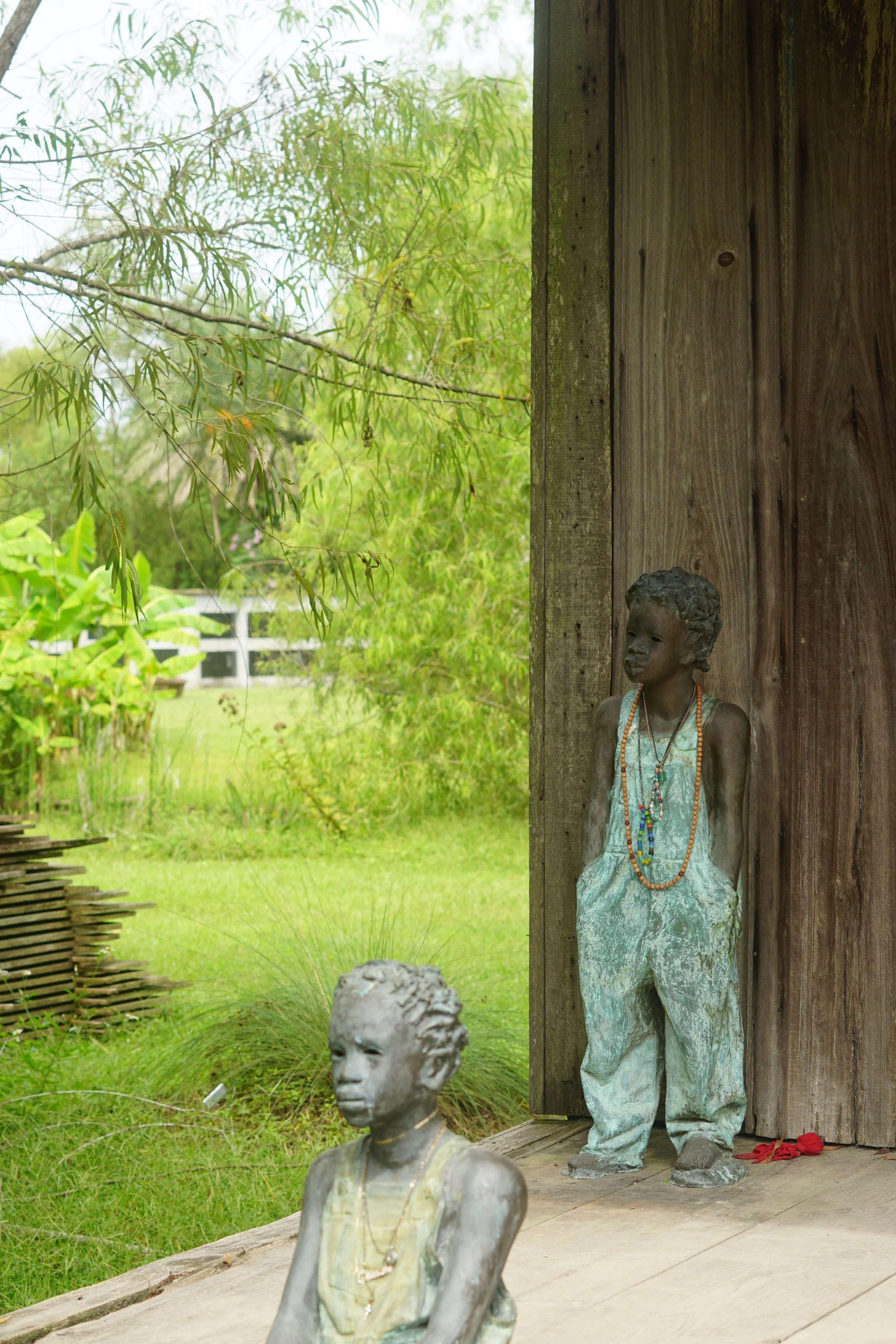
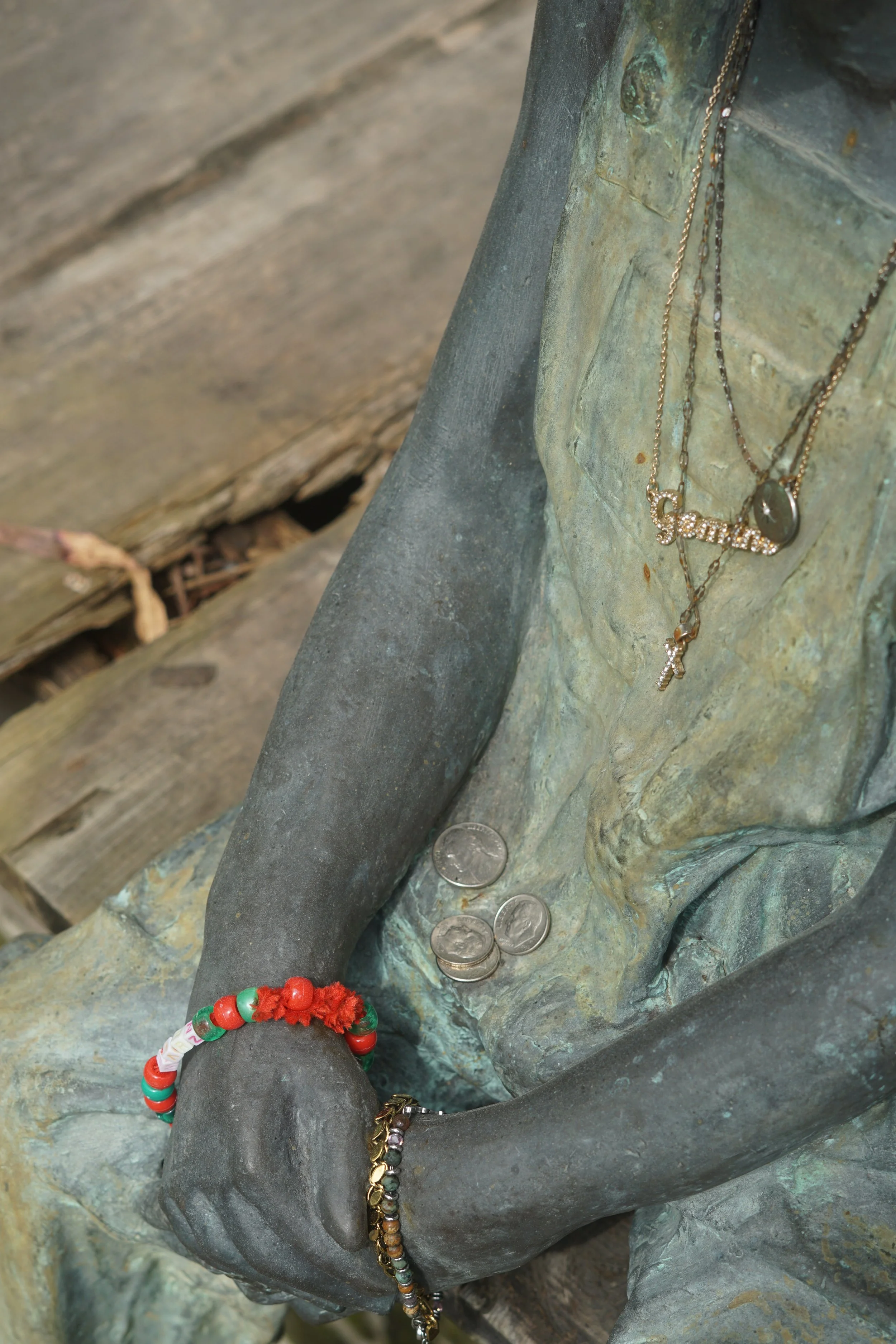
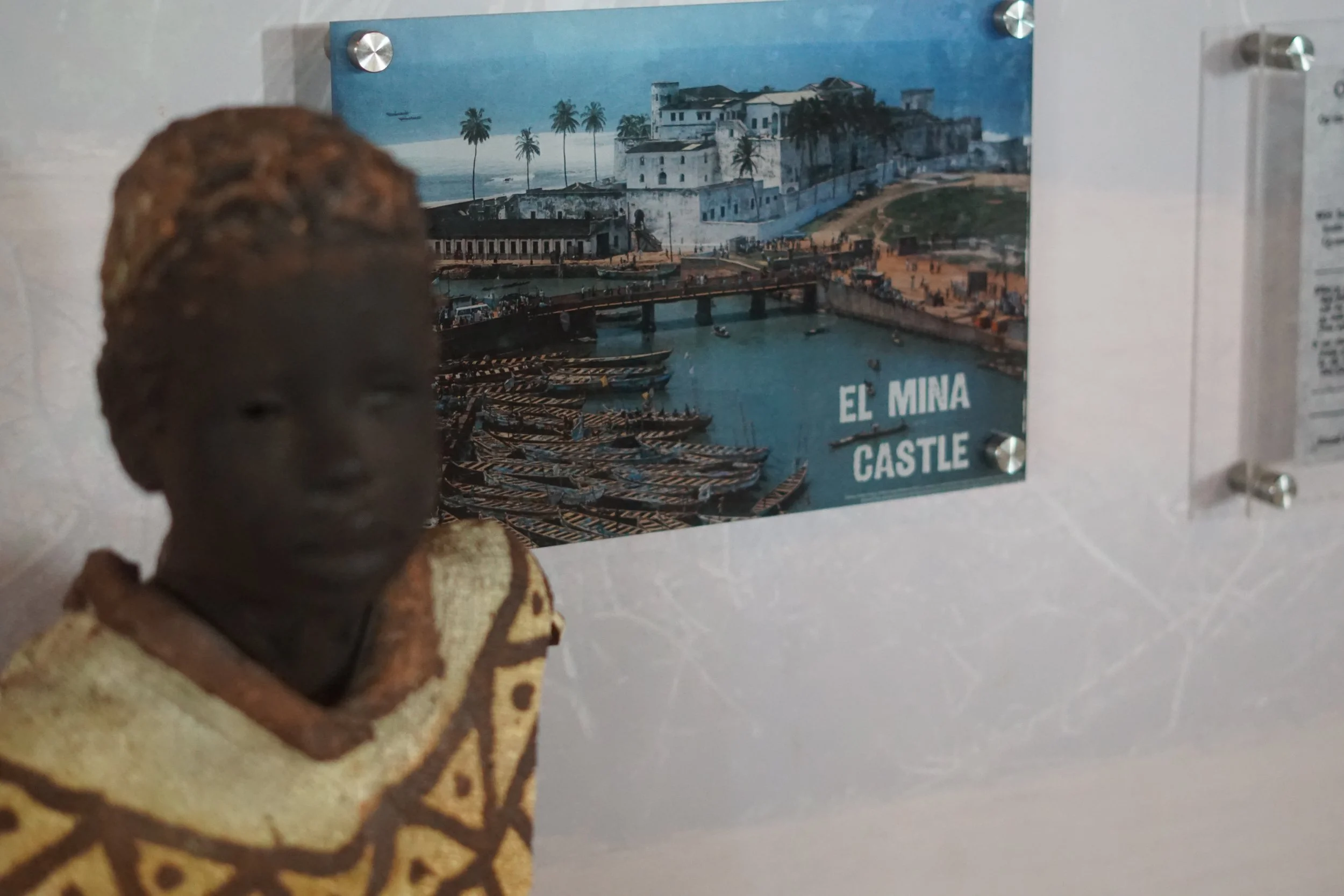
Inside the church, sculptures memorialize children, making it nearly impossible to forget their stories or their faces. It is one of the most powerful reminders that the victims of slavery were not just laborers; they were mothers, fathers, sons, daughters, and children with names, dreams, and lives.